
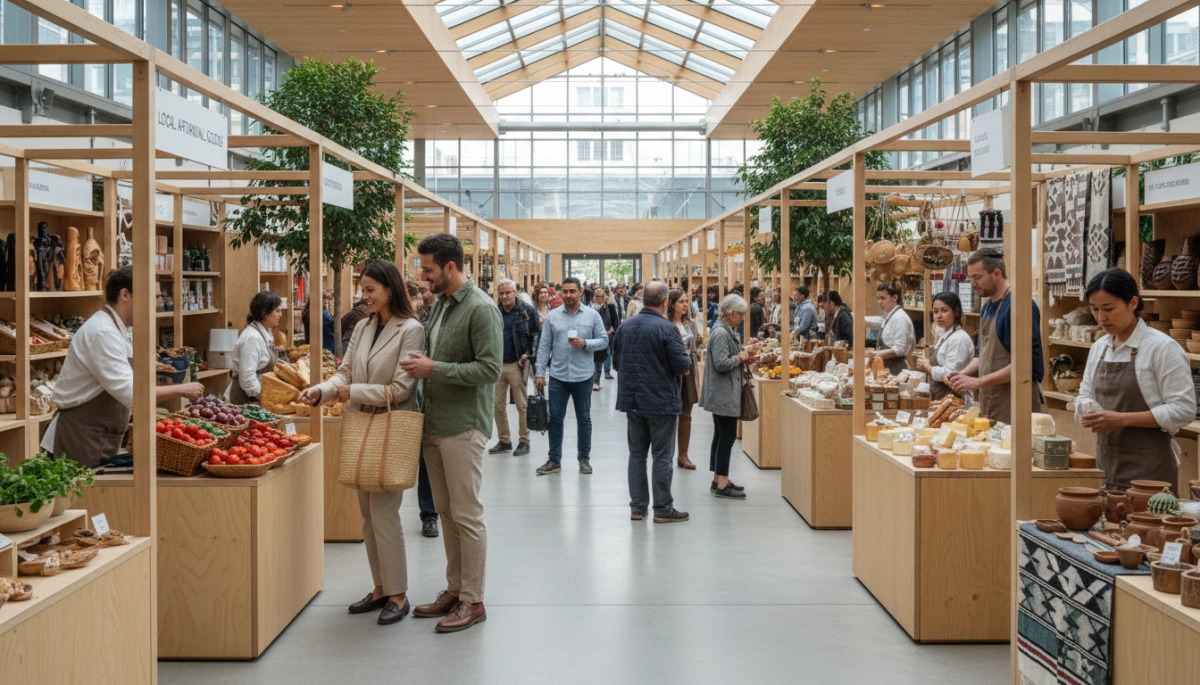
Imagine stepping into a vibrant world where cultural shopping is more than just a transaction—it’s an awakening of the senses. The bustling energy of local markets, alive with color, sound, and aroma, offers a rare chance to connect deeply with traditions, artisans, and communities. If you’re craving more than generic souvenirs and sterile malls, this journey into discovering beauty in local markets will open your eyes to authentic stories and treasures that transform travel into a meaningful adventure. Ready to explore the untold magic behind these cultural hubs? Let’s dive in.
Why Local Markets Are Windows into Culture
Local markets are much more than places to shop—they are vibrant windows into culture, reflecting the heart of a community’s traditions, daily life, and heritage. Unlike generic retail stores, which focus mainly on mass-produced goods, these markets offer authentic souvenirs created by local artisans whose crafts carry stories passed down through generations.
What Makes Local Markets Unique?
| Aspect | Local Markets | Generic Retail |
|---|---|---|
| Authenticity | Handmade, traditional items | Mass-produced, commercial products |
| Social Interaction | Friendly haggling, storytelling | Minimal interaction, fixed prices |
| Cultural Value | Preservation of heritage and skills | Focus on trends and branding |
Why Travelers Love Cultural Shopping
Visiting traditional bazaars and handicrafts markets offers a rich immersive travel experience that goes beyond just buying items:
- Support local economies by purchasing directly from artisan vendors.
- Engage in social traditions like market bargaining etiquette that is fun and respectful.
- Create lasting memories by discovering unique treasures that tell a story.
- Experience the vibrant atmosphere of street food stalls, exotic spices, and colorful textiles.
In essence, diving into local markets not only fills your suitcase with authentic souvenirs but also enriches your understanding of a place—and its people—in a way no mall can match.
Iconic Local Markets Around the World
Exploring iconic local markets is like stepping into the heart of a culture. Each market carries its own unique story, reflecting traditions, crafts, and flavors that are centuries old.
Marrakech’s Jemaa el-Fnaa and Souks (Morocco)
Known for its vibrant atmosphere, Jemaa el-Fnaa is the soul of Marrakech. This bustling square offers exotic spices, colorful lanterns, and a lively tradition of haggling with vendor stalls. The adjacent souks form a labyrinth of artisan workshops where you can find handwoven textiles, pottery, and leather goods. These markets are not just places to shop; they\’re immersive travel experiences showcasing Morocco’s rich heritage.
Grand Bazaar (Istanbul, Turkey)
One of the world’s largest and oldest covered bazaars, the Grand Bazaar boasts over 4,000 shops. Its historic alleys are lined with stalls selling intricate textiles, ceramics, and jewelry. The sensory market adventure here includes vibrant colors, rich scents, and the hum of bargaining voices—a true window into Turkish culture and craftsmanship.
Chatuchak Weekend Market (Bangkok, Thailand)
Famed for its size and energy, Chatuchak offers everything from street food stalls to handmade handicrafts. It’s a hotspot for authentic souvenirs including traditional Thai textiles and art. The market reflects Bangkok’s lively spirit and gives visitors a chance to taste regional ingredients while supporting local artisans.
Chichicastenango Market (Guatemala)
This market is a vibrant display of Maya culture with bright textiles, sacred rituals, and indigenous crafts. Visitors can witness traditional ceremonies and purchase handwoven products that tell stories passed down through generations. It’s an enriching place that connects buyers directly with local artisan communities.
Pike Place Market (Seattle, USA)
In contrast to the ancient bazaars, Pike Place Market is a hub of fresh produce, artisanal goods, and local performers. It’s a celebrated spot where community meets commerce, offering regional flavors and creative crafts. The market’s history as a farmers’ marketplace remains integral to its cultural significance today.
Fez Medina Souks (Morocco)
The medieval lanes of Fez are lined with souks specializing in leather goods and traditional dyeing techniques. The market’s craftsmanship dates back centuries and continues to preserve Moroccan artisanal skills. Exploring Fez offers a deeper appreciation for the intricate work behind many handmade products.
La Boqueria (Barcelona, Spain)
La Boqueria is a food lover’s paradise filled with fresh seafood, exotic spices, and Catalan specialties. Its stalls burst with color and flavor, embodying Barcelona’s culinary heritage. Visitors here experience a sensory market adventure where every bite and sight tells a story of local abundance.
Each of these global souks and markets offers a doorway to authentic cultural immersion and sustainable tourism shopping, giving visitors a chance to connect with artisan vendors and discover treasures beyond ordinary souvenirs.
What to Look For: Treasures Beyond Souvenirs
When exploring local markets, look beyond typical souvenirs to discover unique treasures that tell stories. Handcrafted items like textiles, jewelry, and pottery often carry cultural significance. For example, vibrant fabrics can reflect traditional weaving techniques, while handmade jewelry might showcase symbols important to the community. These artisan creations connect you to the local heritage in a way mass-produced items simply can’t.
Culinary discoveries are another highlight. Markets are goldmines for exotic spices, regional ingredients, and street food stalls offering authentic flavors you won’t find elsewhere. Sampling these treats provides a real taste of local life and cooking traditions.
Spotting authenticity is key when shopping in handicrafts markets. Genuine handmade goods often have small imperfections and unique details, while mass-produced products tend to look uniform and flawless. Look for vendors who openly share stories about their crafts—this usually signals honest, sustainable tourism shopping and supports local artisans.
For a richer cultural immersion travel experience, focusing on these treasures elevates your market visit from a simple shopping trip into a meaningful adventure.
Essential Tips for an Enriching Market Experience
To truly enjoy cultural shopping, timing is everything. Arrive early to catch the freshest goods and avoid heavy crowds. You\’ll have a better chance to explore street food stalls and artisan vendors without rush, soaking in the vibrant energy of local markets.
Haggling is often expected but remember, it’s a respectful negotiation—part of the cultural experience. Approach bargaining with a friendly attitude, knowing it helps preserve traditional bazaars as lively community spaces.
Engage with vendors by asking about their crafts and the stories behind their products. This connection enhances your cultural immersion travel and turns simple buying into a meaningful exchange—learning about authentic souvenirs and the skilled artisans who make them.
Practical tips include:
- Bring cash in small bills to make transactions smoother.
- Use reusable bags to pack your finds sustainably.
- Stay aware of your surroundings to keep your belongings safe.
Supporting local artisans through mindful shopping promotes sustainable tourism shopping. By choosing handmade goods over mass-produced items, you help preserve heritage crafts and local economies. For a deeper dive into sustaining local culture while you shop, check out this great guide on fashion and buying local treasures.
The Deeper Beauty: Personal Connections and Reflections
Cultural shopping goes beyond buying authentic souvenirs—it creates moments that stick with you long after the trip ends. Many travelers share stories of how wandering through traditional bazaars led to unexpected conversations, new friendships, and a deeper appreciation for local life. These immersive travel experiences open doors to understanding different cultures on a human level, breaking down barriers and fostering empathy.
By engaging with artisan vendors and exploring world famous markets at a slower pace, you invite the kind of connection that transforms simple shopping into meaningful interactions. Embracing the unexpected—whether a spontaneous street food stall or a local craft demonstration—enriches your journey and offers lasting memories.
If you’re looking to dive even deeper into cultural immersion travel, consider taking your time to explore every sensory corner of markets, appreciating the stories behind each handcrafted item or exotic spice. This mindful approach encourages sustainable tourism shopping, supporting local artisans and preserving traditions for future generations.
For more tips on making the most of your travel experiences, check out thoughtful advice on lifestyle and travel to truly connect with the places you visit.