
Make Your Bedroom More Comfortable on Warm Summer Nights
Your bedroom can hold on to the day’s warmth long after the rest of the flat feels pleasant. In June, late sunshine and bright early mornings can make that especially noticeable. Before buying new bedding or another gadget, look at how heat enters the room and what you can easily change before bedtime.
Notice When Your Room Gets Direct Sun
Spend a day noticing where sunlight lands, rather than judging the room only when you go to bed. Does it arrive across your pillow early in the morning, or pour through the window while you are making dinner? A room with strong afternoon sun needs its shade in place earlier than a room that only catches a little morning light.
You can keep this very simple: note when the sunshine first reaches the bed, when it leaves and when the room feels most uncomfortable. If you already have a thermometer, place it away from direct sun and warm devices for a more useful comparison. You are looking for a pattern, not a perfect set of measurements.
Also notice what blocks the window. A laundry rack, tall pile of boxes or chair covered in clothes can make opening it awkward. Clear enough space to reach the handle and operate your curtains easily. In a small rented bedroom, improving access to what is already there may help more than introducing another bulky object.
Use Daytime Shade Where Practical
Close blinds or curtains before direct sun starts heating the room. Waiting until the bedding feels warm means the sunlight has already done much of its work. If you leave for the day before the sun reaches that side of the building, make closing the bedroom curtains part of getting ready.
Use the covering you have first. With adjustable blinds, try angling the slats to interrupt direct sunlight while preserving enough light to move around comfortably. Curtains should cover the window properly rather than leave a bright strip across the bed. Keep fabric clear of heaters, electrical equipment and anything that needs ventilation.
Make renter-friendly changes carefully
If the existing covering is inadequate, measure the window and check which fittings your tenancy allows before buying anything. A removable curtain solution still needs to be suitable for the surface and the weight of the fabric. Avoid improvising heavy covers on fittings that cannot support them.
Blackout describes light control, not a guarantee of a cool room. Consider how a covering handles sunlight as well as how dark it looks at night. Try your revised shading routine for a few warm days before deciding that you need a replacement.
Choose Lighter Bedding You Can Wash Easily
Start by removing layers you are pushing off during the night. Decorative cushions, a heavy bedspread and a thick duvet can all sit elsewhere for the summer. Keep one light layer within reach, because a warm bedtime can still turn into a cooler early morning.
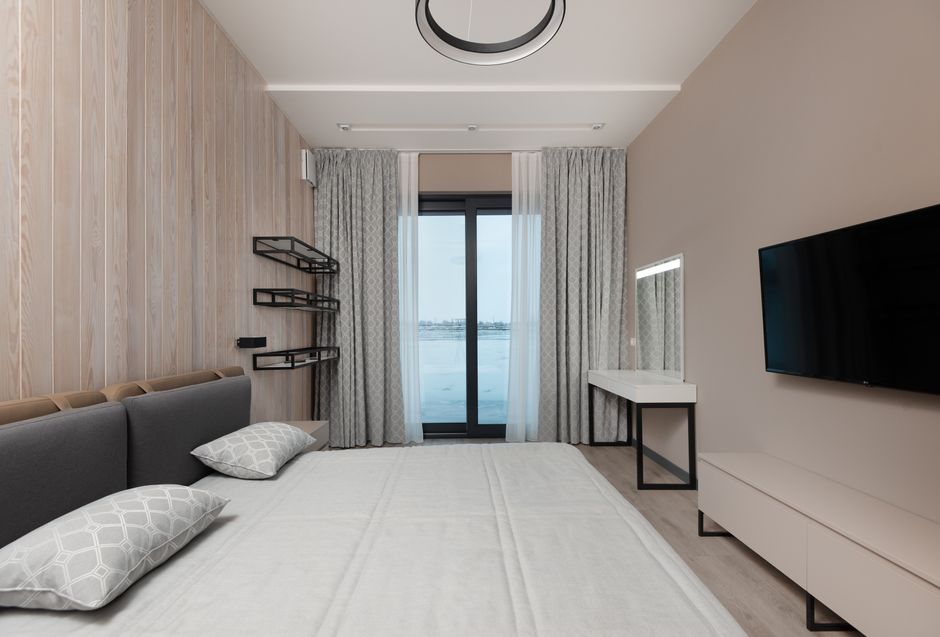
A sheet with a light blanket, a lower-tog duvet or an empty duvet cover may each suit different sleepers. Choose according to how you actually feel in bed. If you share with someone who likes more warmth, separate light covers can be easier than trying to agree on one perfect duvet.
- Check that sheets feel comfortable against your skin, including at the seams.
- Choose bedding that fits your washing machine and available drying space.
- Read the care label before assuming a fabric tolerates frequent hot washes.
- Keep a clean spare pillowcase handy for nights when you want a fresh surface.
Cotton and linen are familiar summer options, but fabric names alone do not tell you everything about weight or feel. A dense, heavy weave can feel very different from a light one. If your current sheets are comfortable, test fewer layers before replacing the whole set. A practical summer bed should be easy to remake and straightforward to keep fresh.
Plan Ventilation Around Cooler Outdoor Air
Opening the window is most useful when the air outside is cooler than the air inside. Compare the two in the evening instead of assuming an open window always helps. During a hot afternoon, you may prefer to keep direct sunlight out and wait until outdoor temperatures ease before opening up.
Where your layout allows it, opening another suitable window or an internal door can help air move through the space. Use only openings you can leave safely and securely, and keep required fire doors in their proper position. If street noise makes an open window impractical overnight, try ventilating while you are awake and preparing for bed.
Put a fan where you can feel it
A fan creates moving air rather than refrigerating the room. Position it on a stable surface so the breeze reaches you, then adjust the angle and speed until it feels comfortable. It does not need to be at its loudest setting to be useful.
Keep its intake and outlet clear, and route the cable away from your night-time path. Clean accumulated dust according to the manufacturer’s instructions with the fan unplugged. For a small room, a carefully positioned existing fan may be all the equipment you need.

Reduce Unnecessary Heat from Devices
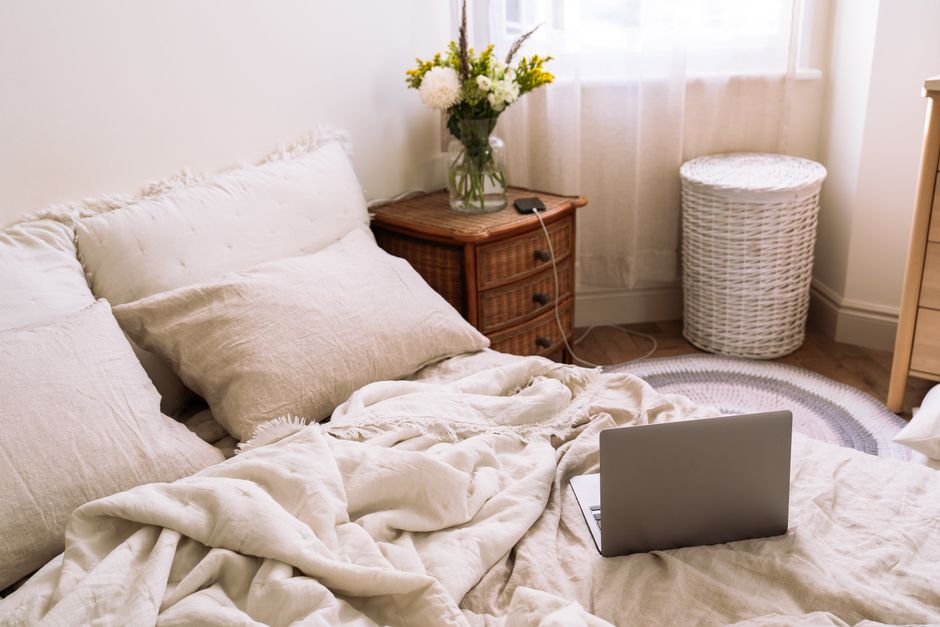
Look around for things that are running simply because you forgot about them. A laptop left working on the bed, a television playing to an empty room or a bright lamp can add unwanted warmth. Switch off equipment you have finished using and let devices ventilate on suitable hard surfaces.
If your bedroom is also your office, give the workday a physical ending. Shut down the computer when practical, clear the chair and put cables where you will not step on them. This makes space for evening airflow and removes the temptation to sit under a warm task lamp answering one more message.
Charge your phone on a clear bedside surface rather than under bedding. If you can choose where to do heat-producing jobs, move ironing or hair drying out of the bedroom during the warmest part of the evening. You do not need to unplug every object in the flat; focus on the things that are noticeably warm or unnecessarily running in the room you want to sleep in.
Create a Simple Bedtime Setup for Hot Nights
Get the bedroom ready before you feel exhausted. Straighten the lighter bedding, open suitable windows if the outside air has cooled and put a drink of water where you can reach it. Choose loose sleepwear that feels pleasant against your skin, and keep your light extra layer nearby.
A comfortable shower can be part of this transition if you enjoy one. Leave yourself time to dry properly and settle down instead of rushing straight from household chores into bed. In shared accommodation, agree on the practical details early: which doors can stay open, when noise needs to stop and who uses the fan.
Change one or two things first, then notice the difference. Your most useful combination might be earlier shade and a lighter cover, or an evening airing followed by a low fan setting. Build a small routine around the room you have, so a warm night requires fewer decisions when you are ready to rest.