
No-Oven Summer Suppers for Evenings When It Feels Too Hot
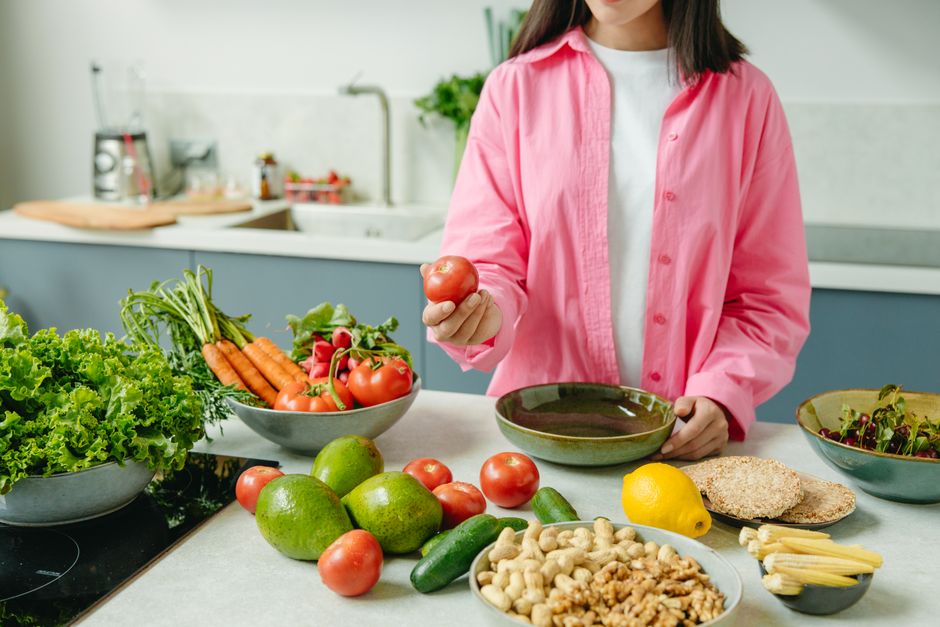
On a sticky July evening, switching on the oven can feel like the last thing your kitchen needs. You still want a proper supper: something with texture, enough substance to satisfy you and very little washing up. A small collection of ready-to-eat ingredients, plus one or two quick hob options, gives you plenty to work with.
Build a Supper Around Ready-to-Eat Staples
Begin with three parts: a filling base, a source of protein and something fresh. Bread with beans and tomatoes counts, as does a bowl of ready-to-eat lentils with cucumber and crumbled cheese. Dressing, herbs and a crunchy topping make those simple combinations feel like dinner rather than ingredients waiting for a recipe.
Keep a few useful tins in the cupboard and choose chilled ingredients according to what you enjoy. Chickpeas, white beans and tinned fish give you different directions without much preparation. Check whether packaged grains are intended to be eaten straight from the packet; some need heating, even if they look cooked.
- For a soft base, use flatbread, wraps or slices of fresh bread.
- For substance, add drained beans, hummus, cooked lentils or tinned fish.
- For freshness, choose cucumber, tomatoes, grated carrot or washed leaves.
- For contrast, finish with seeds, chopped nuts, olives or a spoonful of pickles.
Put out only what you plan to eat and return chilled ingredients to the fridge promptly. A smaller plate that you can refill is especially handy when supper turns into a long conversation outside.
Make a Chickpea Salad with Plenty of Crunch
For two generous portions, drain and rinse a standard tin of chickpeas, then combine them with half a cucumber, two tomatoes and a finely chopped spring onion. Dice the cucumber a little smaller than the chickpeas so you get several textures in each forkful. If your tomatoes are particularly juicy, add their liquid gradually when dressing the salad.
Mix the dressing separately
Stir together two tablespoons of olive oil, a tablespoon of lemon juice and a small spoonful of mustard. Add black pepper, taste, then adjust the lemon or seasoning. Pour over the chickpeas first and fold in the vegetables afterwards; this helps coat the beans without breaking up ripe tomatoes.
A handful of chopped parsley gives the bowl a fresh finish. Crumbled feta adds saltiness, while pumpkin seeds bring crunch if you prefer to leave cheese out. Serve with bread for scooping up the dressing, or tuck the salad into a wrap with a few dry lettuce leaves.
If you are making tomorrow’s lunch at the same time, set that portion aside before serving. Keep the seeds separate until you eat so they stay crisp, and refrigerate the salad in a covered container.
Assemble a Filling Hummus and Vegetable Plate
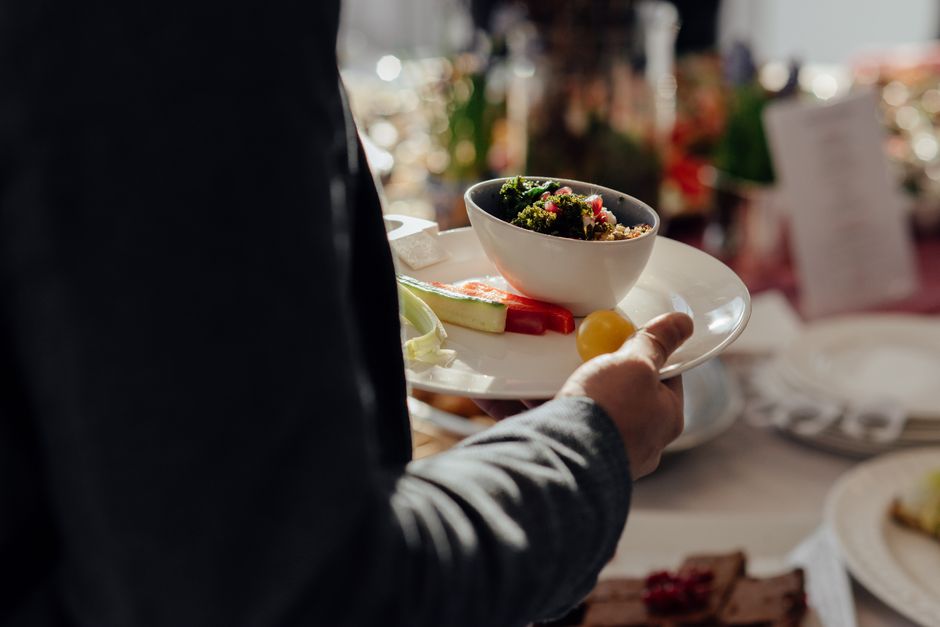
A hummus plate works best when you give it the same attention as a cooked meal. Spread a generous spoonful across part of each plate, leaving room for vegetables, bread and an extra topping. A thin decorative smear can look lovely but may leave you looking for another supper an hour later.
Cut carrots into slender sticks and cucumber into wedges. Add tomatoes, a few olives and drained roasted peppers from a jar. You can use those peppers straight away without heating the kitchen, and their softness makes a pleasant contrast with the raw vegetables.
Choose an addition that suits your appetite: butter beans tossed with lemon, a little cheese or leftover cooked chicken that has been stored properly. Tear soft flatbread into manageable pieces. If you fancy warm bread, briefly heat it in a dry frying pan while you arrange everything else.
For a plate you can carry to the garden, keep slippery vegetables in a small bowl and put the bread beside it. Dress the beans separately instead of pouring oil over the whole plate. You will keep the bread from becoming soggy and leave the hummus thick enough for dipping.
Use the Hob Briefly for Noodles
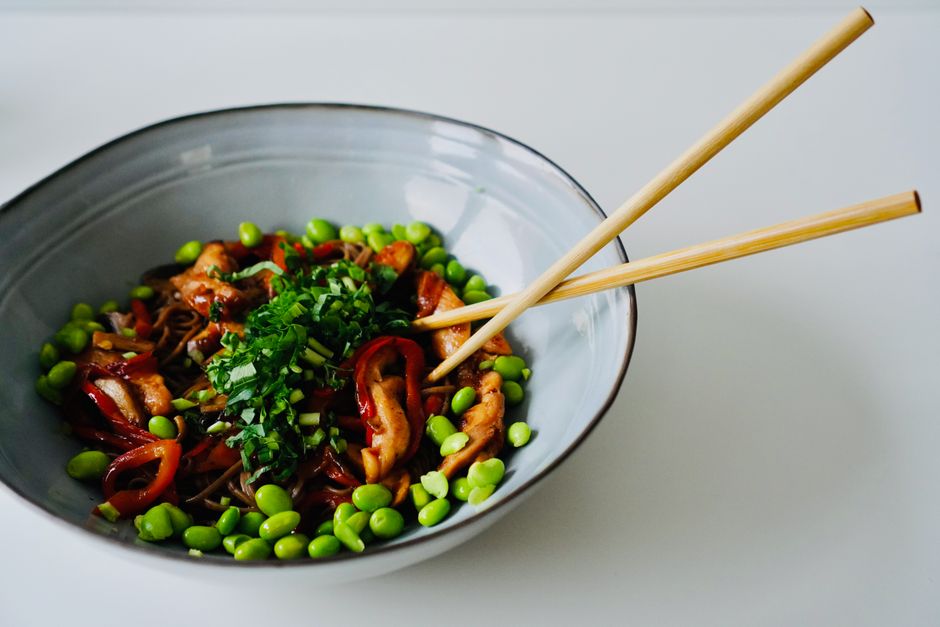
A short burst of cooking opens up another set of suppers. Pick noodles with a quick cooking time and follow the packet method; different wheat and rice noodles need different treatment. Prepare the vegetables and dressing before turning on the hob so the cooked noodles have somewhere to go.
- Shred a carrot, slice cucumber into thin strips and chop a spring onion.
- Mix a tablespoon of soy sauce with a tablespoon of lime juice, a teaspoon of sesame oil and a splash of water.
- Cook the noodles, drain them and rinse under cold running water if the packet recommends this for cold serving.
- Toss with the dressing and vegetables, then add ready-to-eat tofu or another prepared protein.
Start with less dressing than you think you need, then loosen the noodles with a little more. A thick puddle at the bottom of the bowl will not rescue tangled strands at the top. Lift and turn them with two forks or tongs until the vegetables are distributed.
Finish with sesame seeds or chopped peanuts and eat soon after assembling. If you prefer a warm supper, skip the cooling step and stir the dressing through the freshly drained noodles.
Turn Leftovers into a Cold Rice Bowl Safely
Cold rice makes a useful base only when its cooling and storage have been handled well. For rice you cook at home, cool it as quickly as possible, ideally within an hour, refrigerate it and use it within 24 hours. Divide it into shallow portions to help it cool; leaving a large pan on the hob all evening is not a suitable shortcut.
Use rice with a known storage history. If you cannot remember when it was cooked or how long it sat out, choose a different base. Smell and appearance do not tell you whether rice has been stored safely. When using a packaged ready-to-eat rice product, follow its storage and serving instructions instead.
For your bowl, combine chilled rice with cucumber, grated carrot and drained tinned salmon or beans. Add a little lemon dressing just before eating. Keep the ingredients cold until assembly and make only the portion you need, rather than leaving a large shared bowl standing through a warm evening.
You can borrow flavours from the noodle supper, too. Spring onion, sesame and a little soy sauce work well with rice, while roasted peppers and parsley take it in a different direction.
Shop Once for Several Easy Evenings
Choose ingredients that have two clear jobs before you put them in your basket. Cucumber can supply crunch for chickpeas and noodles; lemons can dress beans and brighten hummus. One bunch of herbs is easier to finish when you already know which two meals will use it.
Build your shopping list around three suppers, then check the cupboard for their shared ingredients. Buy delicate leaves in a quantity you can finish early, and save sturdier carrots or unopened tins for later. Keep dressings separate from vegetables until serving, so leftovers remain useful.
Your summer supper routine can be as simple as one generous salad, one assembled plate and one quick noodle bowl. With those options ready, you can spend less of the evening cooking and more of it enjoying the cooler air.