
How to Build a Summer Routine Around Evening Walks
By the time dinner is finished, it is easy to feel that the useful part of the day has gone. June offers a different possibility: enough evening light for a short wander, a chat or a quiet look at the neighbourhood gardens. Making that walk a regular pleasure starts with giving it a realistic place in your day.
Choose a Short Route You Enjoy
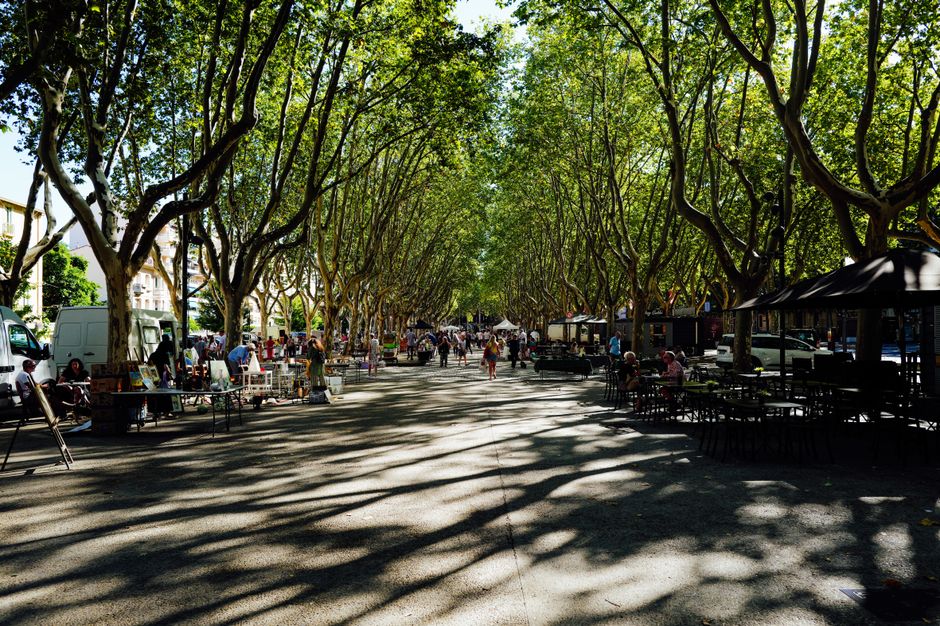
Think of a local detail you would happily go outside to see. It might be a row of front gardens, trees along a familiar street or a park with a bench halfway round. A pleasant destination gives the walk a reason beyond completing a certain number of minutes.
Begin with a loop you can finish in roughly fifteen or twenty minutes at your comfortable pace. You can extend it later, but the first version should fit an ordinary evening. Try it once without extra errands so you know how it feels, including crossings, slopes and the stretch back to your front door.
Check the less romantic details too. A lovely park route is less useful if the gates close before you return, while a narrow pavement may feel awkward when you want to walk beside a friend. Choose surfaces, lighting and access that suit you. If you use a mobility aid or need regular seats, build those into the route from the beginning.
Keep a second option nearby, such as a shorter residential loop. That gives you somewhere to go when the park is busy or the usual path is muddy after a June shower.
Find a Time That Fits Around Dinner
Look for the easiest gap in your evening rather than inventing a completely new schedule. A walk before dinner can mark the end of work, especially if you spend the day at home. After dinner may suit you better if you want the cooking finished before you leave.
Attach the walk to something predictable
Choose a cue you already recognise: closing your laptop, clearing the plates or arriving home and changing shoes. Keep it specific enough that you do not have to negotiate with yourself every evening. You can say, for example, that you will take the short loop after putting dinner away on Tuesday and Thursday.
If you are walking before eating, choose a meal that is easy to assemble when you return. Leave appliances safely off while you are out rather than trying to fit a walk into unattended cooking time. After a substantial meal, give yourself whatever pause feels comfortable before heading out.
Start with two likely evenings and leave the others open. A routine can be regular without happening daily. If caring responsibilities shape your evenings, agree a workable handover or choose a time when the walk can comfortably include the people you are looking after.

Adjust Plans for Heat and Weather
Long daylight hours do not guarantee a cool or dry evening. Before getting ready, look outside and check the conditions for the time you expect to be out. On a warm day, a later departure or shadier street may be more appealing than your usual exposed route.
Dress for the walk you are actually taking. Comfortable shoes that already work for you are a better starting point than a special outfit waiting to be bought. A light layer can help when the temperature drops, while a small waterproof may make an uncertain forecast easier to work around.
- Choose shade when sunshine still feels strong.
- Take water when it is warm or you expect a longer outing.
- Shorten the route if the weather makes it uncomfortable.
- Stay in or rearrange the walk when conditions are unsuitable.
Daylight can make it tempting to keep adding one more street. Think about your return as well as your departure, particularly if the route passes through a park or an unlit section. Keep enough time to get home comfortably. The longer evening is an invitation to enjoy yourself, not a requirement to stay outside until dusk.
Invite Company Without Making It Compulsory
A walking invitation is easier to accept when the details are clear. Suggest a meeting point, a rough duration and a relaxed pace. Saying that you are doing a twenty-minute loop after dinner gives a friend more useful information than a vague plan to get out sometime.
Agree what happens if one of you cannot make it. You might still take the walk alone, choose a different evening or simply try again next week. This keeps a cancellation from becoming a verdict on the whole routine. Your friend should not feel responsible for whether you leave the house.
Let the pace belong to both of you
When you walk together, choose a pace and route that feel comfortable for everyone. If you want a longer outing, add your extra loop before meeting or after saying goodbye. That is kinder than gradually speeding up and expecting someone else to keep pace.
You can also reserve different evenings for different moods. A midweek walk with a neighbour might be sociable, while a solo Sunday loop gives you quiet time. Neither needs to become a standing appointment unless you both enjoy the predictability. Leave enough flexibility for conversation, silence and occasional changes of plan.
Give Your Phone a Smaller Role
Decide what your phone needs to do before you leave. You may want it for navigation, arranging the meeting point or staying reachable at home. Keep those functions available while reducing the small distractions that turn a walk into another scrolling session.
If the route is familiar, put the phone in a pocket or zipped section of your bag between checks. You could silence nonessential notifications for the duration or choose to look only when you stop. There is no need to leave it behind to enjoy a little more attention to your surroundings.
Give yourself something simple to notice: which gardens have roses out, where the evening light lands or how the familiar trees look after rain. This is not another task to complete. It is a way to let the walk feel different from the hours you have already spent indoors.
If you enjoy audio, keep it at a level that lets you remain aware of traffic and other people. Pause it at crossings or anywhere that needs your full attention. A photograph or voice note can be part of the pleasure, but you do not have to document every outing for it to count.
Keep a Shorter Option for Tired Days
Create a small version of the walk while you are feeling enthusiastic, so it is ready when you are not. It might be five minutes around the block or a stroll to the nearest bench and back. Know the turning point in advance; otherwise a supposedly short walk can still feel like an open-ended commitment.
Some evenings, staying home will be the right choice. Leave the next planned walk in place rather than trying to compensate with a longer one. You are making room for something enjoyable, and missed evenings do not need to become a debt.
After a couple of weeks, ask which part was easiest to repeat. Keep that route or time and simplify whatever kept getting in the way. Shoes by the door, a familiar loop and permission to turn back early can be enough to make summer evenings feel a little more your own.