
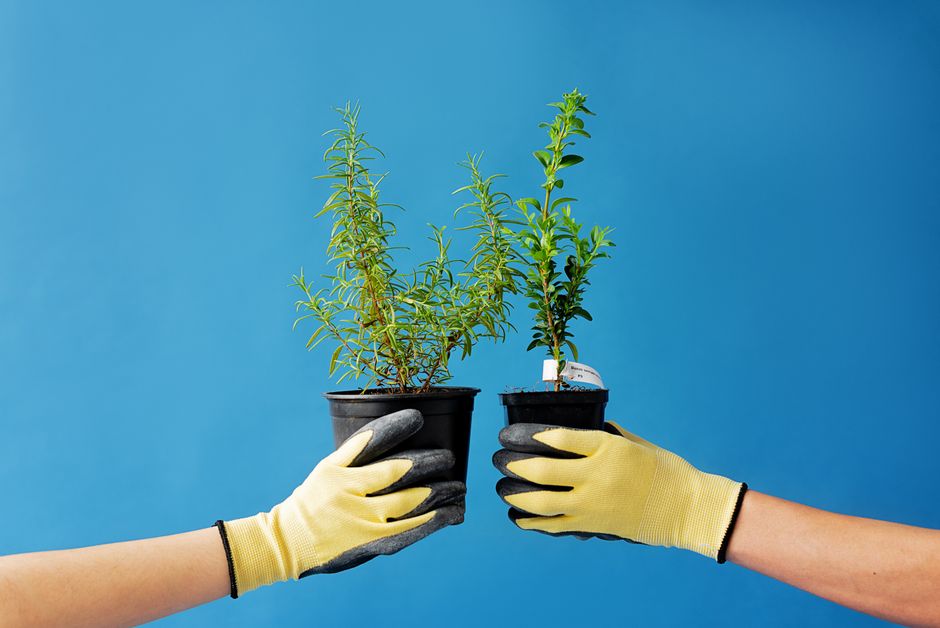
A Windowsill Herb Garden to Start Before Spring
A few pots of herbs can bring something fresh to your kitchen while the garden outside is still firmly in winter. February is a good month to prepare a small indoor growing space, provided you keep expectations modest about light and growth. Start with herbs you already cook with, and let your windowsill set the size of the project.
Find the Brightest Available Windowsill
Watch your windows through an ordinary day before buying plants. The brightest spot at breakfast may be shaded by a neighbouring building before lunch, while another window catches a useful stretch of afternoon sun. In a UK winter, the duration and quality of light matter more than whether the sill looks attractive beside your kettle.
A south-facing window often offers the strongest light, but the actual view outside matters too. Trees, balconies and nearby walls can reduce what reaches the leaves. Clean the glass and clear objects that cast shade across the pots. Position plants close enough to benefit from the window without pressing their leaves against cold glass.
Check the temperature around your chosen spot. A radiator directly beneath the sill can dry pots quickly, while a draughty frame can leave tender plants chilled. Move pots back from the glass on cold nights if needed, keeping them in a bright place during the day. Avoid trapping foliage between a curtain and the window overnight.
If every window is gloomy, keep your first attempt small. One established plant in the best available light is a more manageable experiment than six seed trays stretching towards a grey pane. You can expand when days lengthen.
Choose Herbs That Suit Indoor Conditions
Write down the herbs you use during a normal fortnight, then narrow the list to two or three. Chives are useful for eggs and potatoes, parsley suits soups and grain dishes, and mint can go into yoghurt sauces or drinks. Starting with familiar flavours makes it easier to harvest little and often without inventing an entirely new cooking routine.
Each herb still has its own preferences. Chives and parsley can be sensible plants to try in a bright, cool room. Mint appreciates regular attention to moisture and is easiest to manage in its own pot. None will grow strongly in a dark corner simply because it is indoors.
- Chives: choose a healthy clump for small snips over finished dishes.
- Parsley: start with an established plant if you want leaves sooner.
- Mint: give it a separate container and room for its spreading growth.
- Basil: save it for a reliably warm, bright spot; cold windows can make winter growing frustrating.
Woody herbs such as rosemary and thyme need plenty of light and dislike staying wet. A warm, dim kitchen is not an easy substitute for their preferred conditions. If they are your favourites, begin with a small healthy plant and be particularly careful about drainage rather than assuming all herbs want the same treatment.
Decide Between Seeds and Small Plants
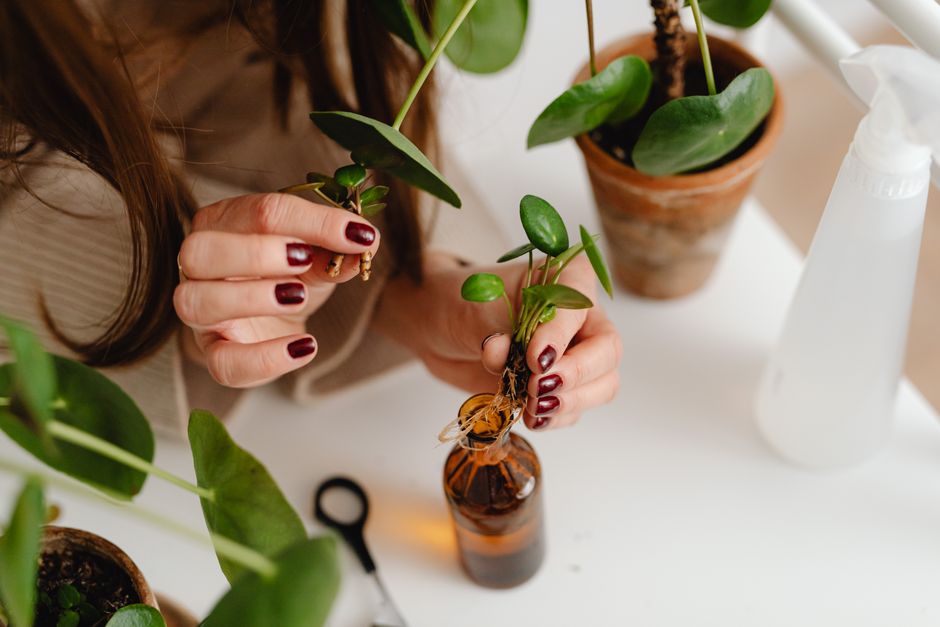
Seeds offer the pleasure of watching the whole process, but they need patience and enough light once they emerge. In February, small plants can be a more practical route to a few usable leaves. You are buying a head start, not a guarantee of rapid growth through the remaining winter weeks.
When you start with seeds
Follow the packet for sowing depth, temperature and timing, using clean containers and suitable seed compost. Sow a small batch rather than emptying the whole packet into one pot. Crowded seedlings compete for light and become harder to separate. Keep the surface appropriately moist during germination without leaving the container standing in water.
As soon as seedlings appear, light becomes especially important. Long, pale stems leaning towards the window suggest that the conditions are not bright enough for sturdy growth. A warmer room alone will not solve that problem. You may have better results waiting until the natural light improves.
When you buy a plant
Look for firm stems, healthy leaves and compost that is neither waterlogged nor pulling away from the sides through dryness. Inspect the undersides of leaves before placing a new plant beside others. Supermarket herbs may contain many seedlings packed together, so a crowded pot can need careful division into smaller groups. Handle roots gently and give divided plants time to settle before harvesting heavily.
Use Pots with Drainage
The essential feature of your container is a hole in the bottom. A handsome mug or jar can hide an ordinary nursery pot, but planting directly into an undrained vessel makes it difficult to manage excess water. Keep the inner pot removable so you can water it and let it drain before returning it to its decorative cover.
Choose a pot only a little larger than the root ball when moving a small plant. A large volume of unused compost can stay wet for a long time during slow winter growth. Use fresh potting compost suited to container growing, and follow any specific growing guidance for your chosen herb.
- Put a little compost into the new pot and remove the plant gently from its old one.
- Position it at roughly the same planting depth, with space below the rim for watering.
- Fill around the roots and firm lightly, without compressing the compost into a hard block.
- Water to settle the compost, allow excess water to drain and empty the saucer.
Protect the sill with a waterproof tray that you can wipe clean. Leave a little space between pots so leaves are not crushed together and you can inspect each plant easily. A layer of stones at the bottom does not replace proper drainage holes.
Adjust Watering to Winter Growth
Water according to the plant and its compost, not a fixed weekday appointment. Check the surface with a finger and lift the pot to learn how it feels as it dries. A light pot with dry compost needs a different response from a heavy pot that remains damp, even if both were last watered on Sunday.
When watering is needed, wet the compost evenly and let excess water run out. Empty the saucer or outer container afterwards. Repeated tiny splashes can leave parts of the root ball dry while the surface looks damp, and standing water keeps roots wetter than you intend.
Expect growth to be slower while daylight is limited. Do not try to force a struggling plant into activity with extra water or generous feeding. Check light, drainage and temperature first. Follow the compost and plant guidance for feeding, and wait for active growth rather than automatically adding fertiliser to every watering can.
Turn pots occasionally if growth leans strongly towards the window. Remove fallen leaves from the compost and inspect stems as you water. A two-minute look every few days helps you notice changes while they are still easy to respond to.
Harvest Small Amounts for Everyday Cooking
Think in finishing touches rather than whole bowls of leaves. A young windowsill plant may supply chives for scrambled eggs or parsley over soup, but it needs plenty of healthy growth left behind. Wait until a newly potted herb has settled and is producing fresh growth before taking much from it.
Use clean scissors for chives, cutting selected leaves a few centimetres above the compost. With parsley, take a few outer stems near the base and leave the central growth intact. For mint, snip a small shoot above a pair of leaves so the remaining stem can continue growing. Avoid stripping any plant bare.
Rinse your harvest and add it to something you already planned to eat. The first success might be only a spoonful of chopped herbs over buttered potatoes, and that is plenty. By spring, you will know which pots suit your kitchen and which flavours deserve more space.