
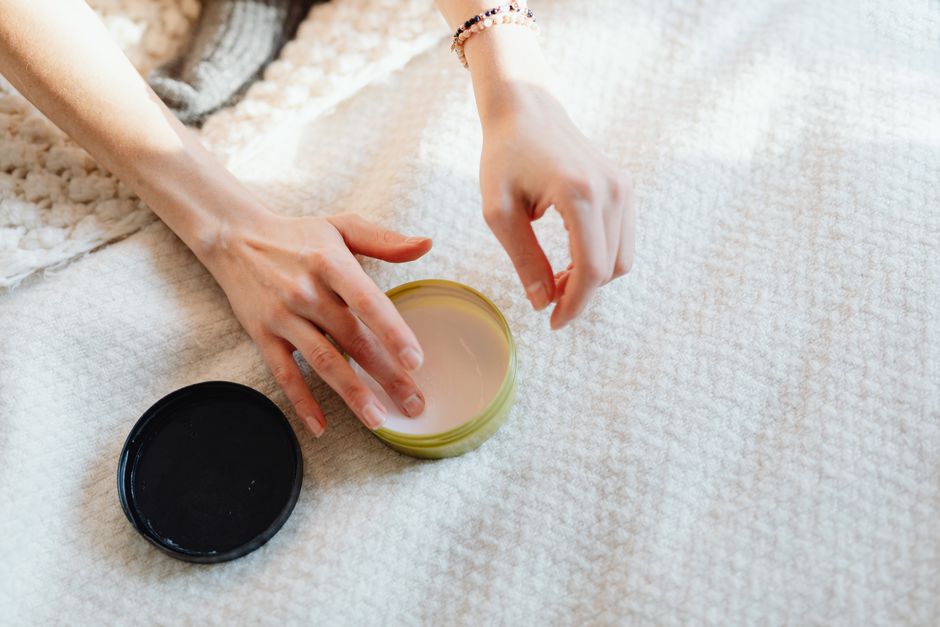
Body Moisturiser Textures for Warmer Spring Weather
That rich body cream you loved in February can feel rather different beneath a shirt on a warm May morning. Yet your shins may still look dry, and your elbows probably have not noticed the change in season at all. Finding a comfortable spring moisturiser starts with how your skin feels in different places, followed by a texture that fits the way you get ready.
Notice Where Skin Still Feels Dry
After your next shower, pay attention before automatically covering everything with the same generous scoop. You might notice tightness across your lower legs, roughness at your elbows and perfectly comfortable skin on your upper arms. This gives you a more useful starting point than replacing your entire routine because the weather has warmed up.
Think about when discomfort appears, too. Does skin feel dry immediately after washing, or only later in the afternoon? Is your shower hotter than it needs to be? Are you using a strongly scented wash and then adding another scented product? Small observations can help you avoid buying a lighter moisturiser when the washing routine is the part that needs simplifying.
Keep your assessment practical. You could use a light lotion across most of your body and keep a familiar richer cream for a few dry areas. There is no requirement for every patch of skin to receive the same amount or texture. Nor does comfortable skin need another layer simply because some product remains in your palm.
Compare Lotions, Creams and Gel Textures
Texture names are useful clues, although different formulas within each category can behave quite differently. A lotion is generally fluid and easy to spread over arms and legs. A cream tends to have more body and may leave a more noticeable layer. A gel often feels light and cool during application, but lightness does not guarantee that the finish will be comfortable under clothing.
Look beyond the first few seconds
If you can try a tester hygienically, put a small amount on the back of your hand and give it time. Notice what remains after the initial slip has gone. A product can feel beautifully fresh at first and then become tacky; another may start quite substantial but settle into a finish you enjoy.
- Choose a lotion when you want easy coverage with little rubbing.
- Consider a cream for areas where a lighter product leaves you wanting more.
- Try a gel or gel cream if a rich finish feels unpleasant in warmer weather.
- Check the settled texture before deciding that any category is right for you.
You do not need a matching collection. One versatile lotion and the cream you already own may cover your needs through changeable spring days.
Consider Fragrance if Your Skin Is Sensitive
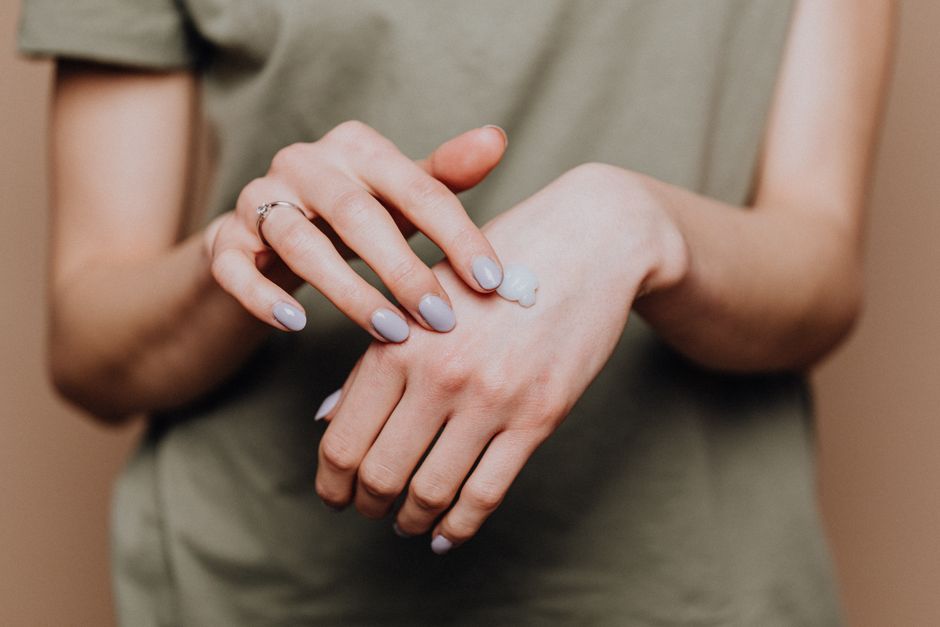
A lovely scent can be part of enjoying body care, but it is worth separating that pleasure from your skin’s comfort. If fragranced products have left your skin itchy or uncomfortable before, choosing a fragrance-free moisturiser makes a sensible starting point. Check the label instead of relying on pale packaging or words that suggest gentleness.
Unscented and fragrance-free are not necessarily interchangeable descriptions. An unscented product may contain ingredients used to mask another smell. Botanical extracts and essential oils can also add fragrance, so a natural theme on the bottle does not tell you how your skin will respond.
Try a new product on a small area first, following any testing directions on its packaging, before applying it widely. A comfortable first application is encouraging, though it cannot promise that every later use will feel the same. If it stings or causes irritation, stop using it rather than applying more to get through a supposed adjustment period.
Keep the rest of that first trial familiar. Introducing a new body wash, scrub and moisturiser together makes it much harder to identify which one your skin likes.
Apply After Washing Without Overloading Skin
Give yourself a simple sequence: wash, pat away excess water, then apply moisturiser while skin is still slightly damp. You want a light trace of moisture, not water running down your legs and diluting the product in your hands. Use lukewarm water for washing and a soft towel without brisk scrubbing.
Begin with a modest amount for one area, spread it gently and add a little more only where needed. Pump sizes and product consistencies vary, so an exact number of pumps is less useful than watching how easily the formula covers your skin. A thick visible layer is usually a sign to pause before dispensing more.
Give dry patches a separate pass
Once you have covered your legs, for example, check your knees and shins. A small extra dab there may feel better than putting a second full layer everywhere. On a warm morning, this approach also reduces the amount sitting beneath waistbands, sleeves and other close-fitting clothes.
If a product rolls into little flakes as you rub, stop repeatedly working it. Next time, use less and keep other products in that area simple so you can judge what is causing the problem.
Allow Time Before Getting Dressed
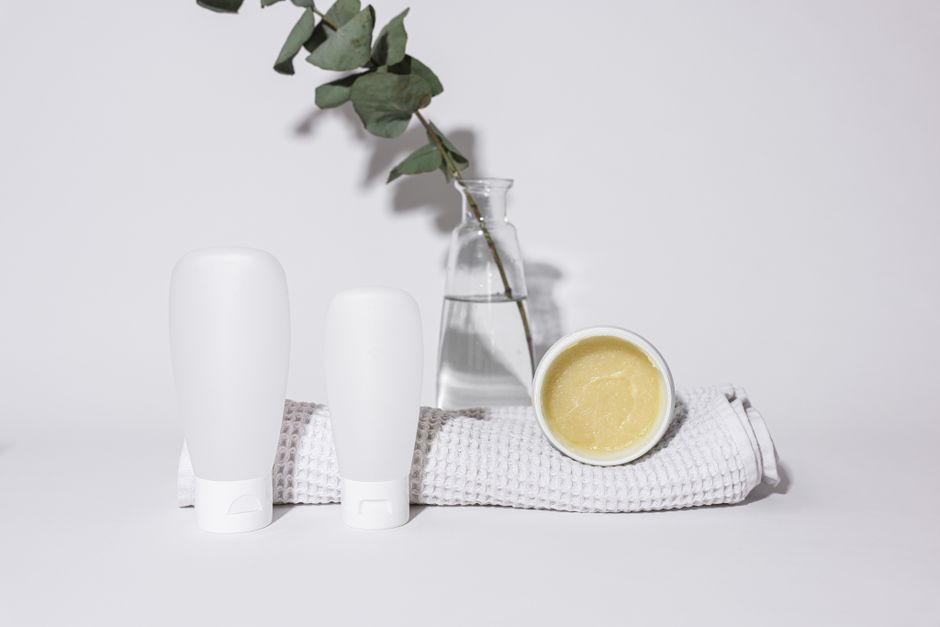
Build a short gap into getting ready rather than standing in the bathroom waiting impatiently. Apply your moisturiser, brush your teeth, arrange your hair and then get dressed. The useful measure is how your skin feels at the end of that gap, not a rigid number of minutes that every formula must meet.
Test with the clothes you actually wear. A finish that feels fine beneath loose cotton pyjamas may be less pleasant under fitted trousers or tights on a cool spring day. Notice whether fabric drags, sticks or picks up an oily mark. You should not have to redesign your entire morning around a body lotion.
If the product consistently takes longer to settle than your schedule allows, reduce the amount or reserve it for evenings. Keep the easier texture for mornings. On days when your legs need extra attention, applying the richer option the night before can spare you the rush of putting it on just before leaving.
Change One Product at a Time
Use your chosen moisturiser through several ordinary routines before deciding whether it deserves a permanent place. Compare similar situations: after a shower, beneath your usual clothes, and again later in the day. A single unusually hot afternoon or a long bath can make the comparison less helpful.
You only need a few simple observations. Was it easy to spread? Did your clothes feel comfortable? Were your dry areas still comfortable later? If you like making notes, one short sentence on your phone is plenty. You are looking for a product that quietly does its job, not creating another project to maintain.
Finish usable products where they work best rather than abandoning everything at once. Your winter cream might remain ideal for elbows or an evening application, while a lighter lotion handles the rest. Let May’s changing weather and your own comfort guide the balance: the best spring texture is the one you are happy to reach for on an ordinary morning.