
Hand Cream and Cuticle Care for Colder Autumn Days
You often notice autumn hand dryness in the smallest moments: pulling on a knitted sleeve, washing up after lunch or catching a rough nail edge on your tights. By October, cooler air and more time indoors can make your usual quick dab of cream feel insufficient. A comfortable routine starts with where your hands feel dry and fits around the washing, cooking and commuting you already do.
Notice Dry Areas Around Knuckles and Nails
Take a look at your hands after they have dried from washing. The backs may feel tight while your palms remain comfortable; the skin beside one thumbnail might catch on fabric even though the other nails look fine. These details help you apply care where it is useful, rather than coating your palms so heavily that you immediately want to wash them again.
Think about the moments that precede that uncomfortable feeling. Perhaps you wash several mugs without gloves, rinse your hands repeatedly while cooking or use very hot water after coming in from the cold. You do not need an elaborate diary. Simply noticing a repeated task can reveal an easy adjustment.
Check small practical irritants, too. Soap can collect beneath rings, a damp glove lining can rub and a jagged nail corner can encourage picking at nearby skin. Remove rings when appropriate for washing and dry underneath them before putting them back. Smooth a snagging nail edge with a gentle file, working carefully rather than sawing at the surrounding skin.
Keep your aim modest: hands that feel comfortable through ordinary days. You do not need perfectly smooth cuticles or a new manicure to have a useful hand-care routine.
Choose a Cream You Will Use Regularly
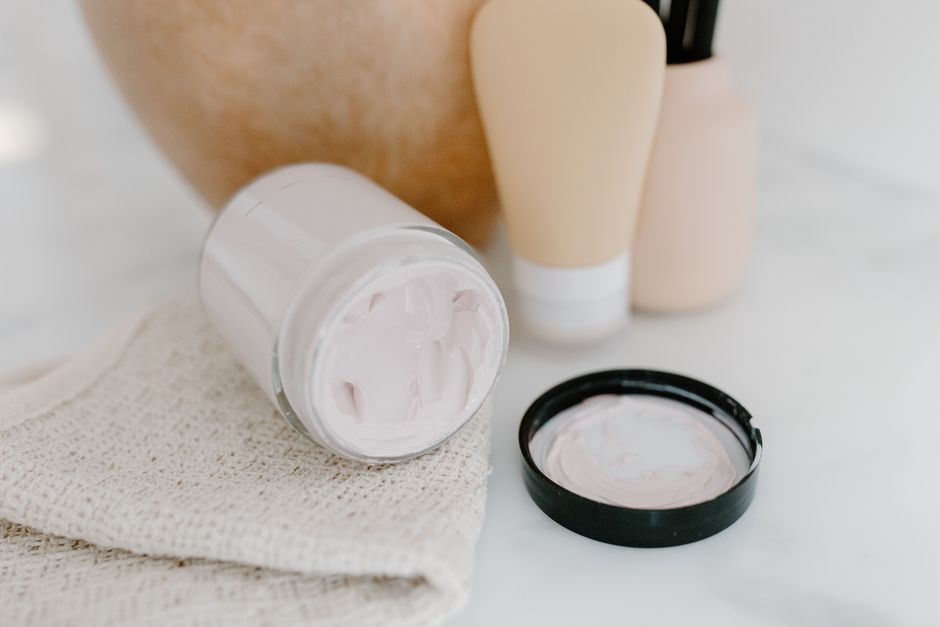
The best place to begin is texture. If you spend your afternoon typing or turning paper pages, a lighter cream may be easier to use consistently. A richer cream can suit the backs of your hands in the evening, when you have time to let it settle. One product may cover both jobs if you adjust the amount.
Try it during a normal task
Use a small amount and see how your hands feel once it has spread and settled. Can you hold a mug comfortably? Does the finish make you avoid touching your phone? A product that feels lovely for thirty seconds but inconvenient for the next half-hour may end up unused in a drawer.
- Choose a fragrance-free option if scented products tend to bother your skin.
- Look for a tube or pump that you can open with slightly slippery hands.
- Use a richer texture on dry knuckles without covering every fingertip heavily.
- Finish a comfortable product before buying several competing replacements.
Descriptions such as fast absorbing or intensive are useful starting points, but your own experience matters more than the wording. Keep the product somewhere you naturally pause: beside the basin, near your work bag or on the bedside table. A cream within reach has a much better chance of becoming a habit.
Apply After Washing and Drying Your Hands
Build the routine around handwashing rather than trying to remember a separate beauty step. Wash as needed with comfortably warm water, rinse away cleanser and pat your hands dry with a soft towel. Pay attention to the spaces between fingers and beneath rings. Apply cream promptly afterwards, once your hands are no longer wet.
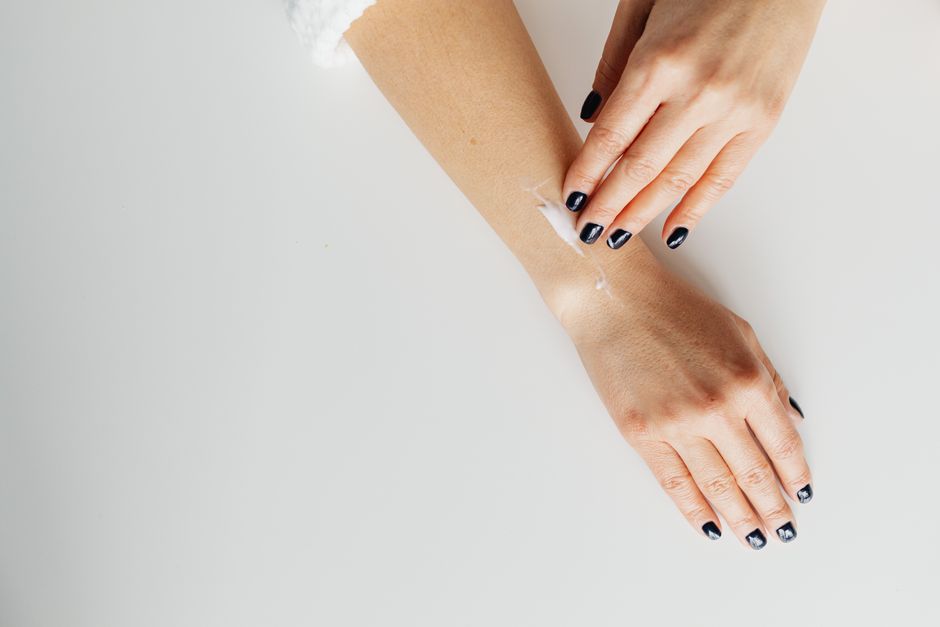
Start with a small dab on the back of one hand and use the back of the other to spread it. Then work over your knuckles, the sides of your fingers and around each nail. This places most of the cream where you may want it while leaving less residue on your palms. Add a little more to individual dry areas if needed.
In the kitchen, choose a pause after the washing-up or food preparation is finished. Applying cream between every chopped vegetable is likely to feel frustrating when you need to wash again immediately. At work, an application after your lunch break may be easier to remember than an arbitrary mid-afternoon reminder.
Keep towels fresh and let them dry between uses. If your bathroom towel stays damp for hours, switch to a dry one rather than repeatedly patting clean hands with it. In the evening, spend an extra moment on rough knuckles, then let the cream settle while you read or watch something.
Keep Cuticle Care Gentle
The thin skin around your nails does not need an aggressive tidy. Cutting, scraping and repeatedly pushing it back can turn a cosmetic annoyance into a tender edge. When you are moisturising, gently massage a little cream around the base and sides of each nail. That may be all you need.
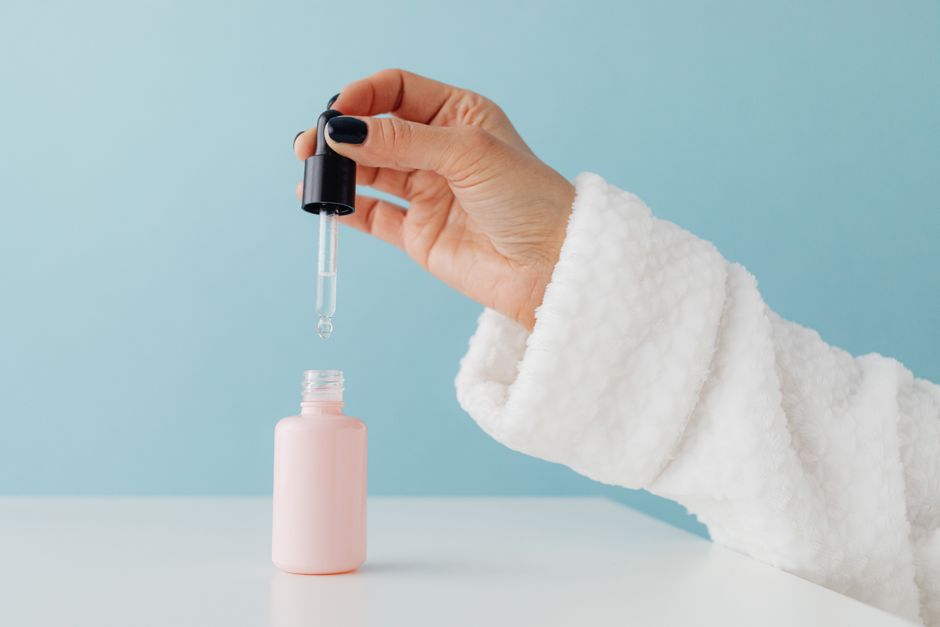
If you enjoy using cuticle oil, treat it as an optional finishing step. Put a small amount on the surrounding intact skin and spread it with a fingertip; keep a dropper from touching the nail or skin. You want a light film, not oil running down your fingers. Use a product you tolerate, and leave it out if it makes the area sting or itch.
Do not pull at a hangnail. If there is a clearly loose flap of dead skin, trim only that loose piece with clean nail clippers, without cutting into attached skin. Leave tender or split areas alone instead of trying to make their edges look neater. Put the tools away once the snag is dealt with.
A simple manicure can help interrupt picking: shorten an awkward nail, smooth its free edge and stop there. Keep a file nearby so you can deal with a catch deliberately rather than biting it while distracted.
Use Gloves for Wet Household Tasks
Washing-up gloves are most helpful when they are comfortable enough to stay on. Choose a fit that allows you to hold a plate securely without pulling across your knuckles. Use an appropriate household pair for the cleaning product involved, and follow the product’s handling instructions. Thin gloves intended for another purpose may not give the protection you need.
The inside matters as much as the outside. Start with dry hands and check that the lining is dry. Turn the cuffs back carefully when rinsing items so water does not run down inside. Afterwards, leave the gloves open to air rather than crumpling them beneath the sink.
If your hands become sweaty during a long job, take a break and dry them. A thin cotton liner may make suitable reusable gloves more comfortable, provided it does not spoil the fit; replace the liner when damp. Change glove materials if a particular pair seems to trigger irritation.
For the journey outdoors, keep comfortable gloves in your coat pocket. Putting them on before your hands feel cold is an easy October habit, especially on a windy walk to the station.
Act on Persistent Splitting or Irritation
If your skin repeatedly splits, itches or becomes sore despite gentler habits, take that pattern seriously. Set aside any newly introduced product that appears to aggravate it, keep the routine simple and note whether symptoms follow cleaning, glove use or particular toiletries. Avoid trying several new creams at once, which makes the pattern harder to understand.
A pharmacist can help you assess persistent dryness or irritation and explain suitable next steps. Describe where it happens, how long it has lasted and what you have already tried. Increasing redness, warmth, swelling, discharge or worsening pain calls for prompt medical attention rather than another round of cuticle care.
For everyday autumn maintenance, keep the routine pleasantly small: dry carefully, use a cream you enjoy and protect your hands during wet tasks. Consistency should make your day more comfortable, without giving you another complicated evening ritual.