
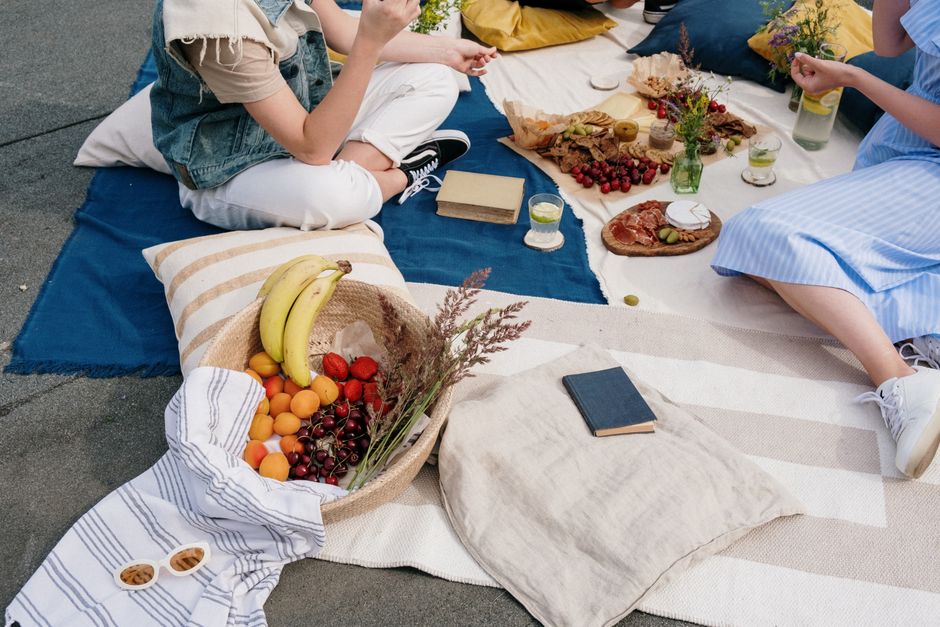
Easy Picnic Lunches for a Sunny Afternoon with Friends
A sunny May afternoon is a good enough reason to take lunch outside, without turning it into a complicated hosting job. You need food that survives the journey, enough for everyone to feel fed and a way to keep the chilled dishes cold. Start with one filling salad and a few sturdy sandwiches, then let your friends share the rest.
Choose Dishes That Travel in Separate Containers
Work backwards from the journey. Food packed for a short walk can be arranged differently from lunch carried on two buses, but in either case secure lids matter more than pretty serving bowls. Choose containers that fit comfortably inside your cool bag without needing to balance them sideways.
Keep wet ingredients separate from anything you want crisp. Dressing belongs in a small leakproof pot; bread and crackers need their own dry container. Pack soft fruit above heavier dishes so it does not arrive bruised. You can combine things on the blanket instead of trying to transport the finished spread exactly as you would serve it at home.
For four people, plan a substantial shared salad, roughly one sandwich or filled roll each, vegetables, fruit and something small to finish. Adjust for appetites and how long you will be out. Four different main dishes usually create more carrying and leftovers than a simple, coordinated lunch.
- Ask about allergies and dietary preferences before dividing up dishes.
- Keep ingredients identifiable and retain packaging when it provides useful allergen information.
- Use separate utensils for dishes that need to stay apart.
- Pack a serving spoon inside a clean container so it cannot be forgotten.
Build a Filling Grain or Pasta Salad
A good picnic salad needs enough substance to count as lunch. Choose pasta or a grain you enjoy, add beans or chickpeas, then include vegetables with some bite. A few herbs and a bright dressing will make it interesting without requiring a long shopping list.
A straightforward pasta salad for four
Use about 250g dried short pasta, one drained tin of chickpeas, a diced pepper and a generous handful of chopped parsley. Add sliced spring onions if everyone likes them. This makes a useful shared main alongside sandwiches and vegetables; increase it if the salad will be the only substantial dish.
- Cook the pasta according to the packet, keeping a little firmness.
- Drain it and cool it promptly in a shallow container, then refrigerate.
- Mix the cold pasta with drained chickpeas and the prepared vegetables.
- Shake olive oil and lemon juice together in a separate sealed pot.
- Keep everything chilled and add the dressing shortly before eating.
Taste before packing, remembering that the chickpeas need seasoning as well as the pasta. If you use a grain instead, follow its cooking instructions and cool it promptly too. Keep cucumber seeds and other watery additions out of the main container until serving if you want a firmer texture.
Pack Sandwich Fillings That Hold Their Texture
Choose bread with enough structure for the filling. Rolls, pittas and sturdy sliced loaves tend to be easier to carry than very soft bread piled high with wet ingredients. Aim for sandwiches you can pick up without half the filling landing in your lap.
Cheddar with a thin layer of chutney is a simple option. Hummus with well-dried grated carrot works nicely in a pitta, while sliced cooked chicken can go into a roll with crisp, thoroughly dried lettuce. Keep all of these chilled where their ingredients require it; a sandwich does not become suitable for warm storage simply because it contains no meat.
Drain roasted vegetables well and blot excess moisture before using them. If tomatoes are essential to your lunch, take them in a separate container and add them when you sit down. A thin spread of butter can help slow moisture reaching the bread, but it cannot rescue an excessively wet filling.
Wrap each portion so friends can help themselves without opening every sandwich. Keep different fillings separate and make their contents clear to the group. Slice large rolls before leaving home, which saves you wrestling with a knife on an uneven blanket.
Add Seasonal Fruit and Crunchy Vegetables
May calls for something fresh alongside the bread and pasta. Radishes, carrot sticks and crisp lettuce leaves bring crunch with little preparation. Wash vegetables at home and dry them thoroughly before packing. Carry a small dip separately if you want one, and give it space in the cool bag.
Strawberries are a lovely choice when good ones are available, though the timing of local crops varies. Pick firm fruit, wash it gently and dry it before packing in a shallow container. Whole apples are another easy option, particularly when you need fruit that tolerates being carried.
Think about how each item will be eaten. Whole carrots require less preparation but are less convenient for sharing; carrot sticks are immediately ready. Large pieces of fruit may need cutting, while small portions can be passed around with minimal fuss. Leave delicate garnishes at home if they are likely to wilt before lunch.
For a sweet finish, a few pieces of plain cake or sturdy biscuits travel easily in a separate dry tin. You already have a full meal, so there is no need to bring an elaborate dessert as well.

Keep Perishable Food Chilled on the Journey
A cool bag works best when the food goes into it already cold. Refrigerate prepared dishes before departure, then pack them immediately before leaving with plenty of frozen ice packs arranged around them. Warm pasta or freshly cooked fillings should never be used to fill a picnic bag intended to keep other food chilled.
Keep the bag closed during the journey and place it in the shade when you arrive. An insulated bag slows warming; it does not create cold by itself. Pack drinks separately if possible, so reaching for another bottle does not repeatedly expose the lunch to warm air.
Bring out manageable portions when you are ready to eat and leave the rest protected in the bag. Perishable food should spend as little time out of refrigeration as possible; use two hours as an upper limit, with a shorter window in hot conditions. Count time during preparation, transport without effective chilling and serving together.
Do not rely on smell to judge food that has become warm. If you cannot keep a dish cold, choose something that can safely travel without chilling instead, following its storage instructions. Pack modest amounts so you are less likely to face uncertain leftovers after a long afternoon.
Share the Packing and Clear Up Together
Give each friend a clear task: one brings sandwiches, another handles the salad, someone carries fruit and someone takes drinks and cups. Agree quantities as well as dishes. Otherwise, it is surprisingly easy to arrive with three tubs of hummus and nothing to spread it on.
Before leaving, check for a blanket with a suitable underside, napkins, clean cutlery, drinking water and bags for rubbish. Include somewhere to put used utensils without dirtying the rest of your belongings. Choose a meeting point you can describe easily, with a nearby alternative if the grass is wet.
When lunch is over, gather everything together and check the ground for small wrappers, lids and dropped cutlery. Share the load on the walk back, including the empty containers. With the practical bits divided between you, the afternoon can stay pleasantly simple: a proper lunch, a comfortable patch of grass and time to enjoy your friends.