Summer Swimming Haircare for Regular Pool Sessions
A regular June swim can be the nicest appointment in your week, until getting a comb through your hair becomes a second workout. Pool water, repeated washing and hurried drying can leave lengths feeling rough or tangled. A useful swimming routine starts before you get in and finishes with a few deliberate minutes in the changing room.
Prepare Your Hair Before Entering the Pool
Begin with the poolside shower, letting fresh water reach your roots as well as the surface of your hair. Lift thicker sections with your fingers so the underneath gets wet too. Starting with thoroughly wet hair is a simple way to limit how much pool water dry strands initially take up, although it cannot keep chlorine out altogether.
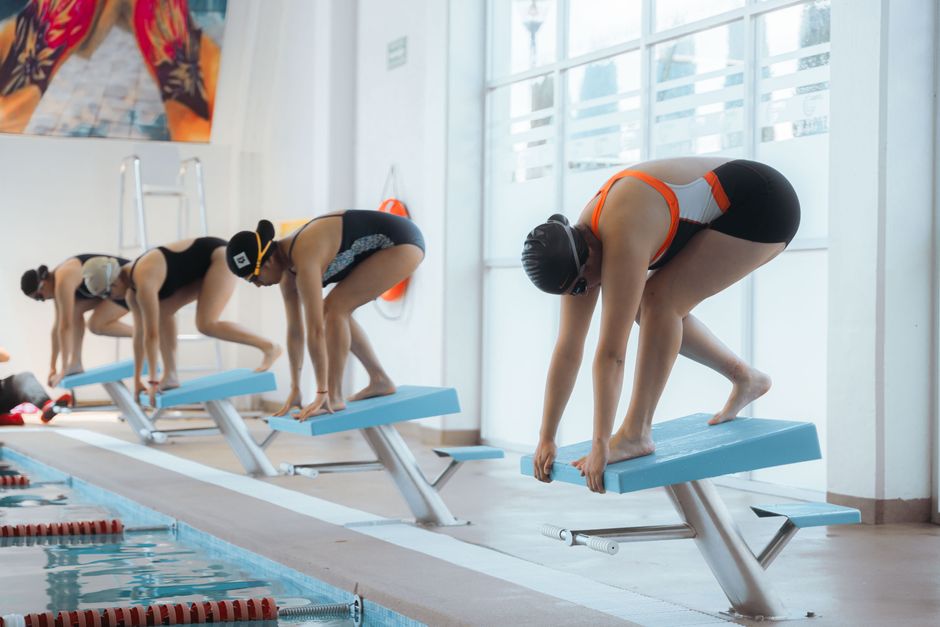
Remove metal clips and anything with a sharp edge before putting on a cap. For long hair, make a loose braid or gather it into a low, soft bun, depending on where your cap has room. The aim is to contain the lengths without pulling tightly at your hairline. Short hair usually needs little more than smoothing back.
Keep your preparation compatible with the pool’s shower rules. A heavy coating of oil or conditioner can make your cap slide and leave product in the water, so it is better to save conditioning for afterwards. Pack what you need in a small washable pouch: shampoo, conditioner, a smooth wide-tooth comb and a towel that you can wrap without tugging.
Choose and Fit a Swimming Cap
A cap helps keep hair contained and reduces its movement through the water, but it is not a waterproof seal. Finding damp roots underneath does not mean you fitted it badly. Look for a shape that accommodates your hair comfortably rather than choosing the smallest size you can pull on.
Make room for your lengths
If you have thick hair, braids or a large bun, try a cap with extra volume. Silicone caps often feel smooth against the hair, while fabric caps can be easier to pull on but allow water through readily. Fit and comfort matter more than a promise that your hair will emerge completely dry.
- Take off rings that could catch or tear the cap.
- Stretch the opening with the pads of your fingers, keeping nails away from the material.
- Ease the cap over your hair instead of dragging it repeatedly across your hairline.
- Adjust any tight sections before putting your goggles in place.
After swimming, peel the cap back slowly rather than snapping it off. Rinse it separately and leave it open to dry so it is ready for your next session.
Rinse Thoroughly After Your Swim
Head to the shower while your hair is still wet. A quick splash over the crown leaves plenty of hair untouched, particularly if it has been tucked into a bun. Undo your braid or tie, then work fresh running water through separate sections from scalp to ends.
Use comfortably lukewarm water and your fingertips to lift the roots. You do not need to scrub your scalp with your nails or rub the lengths between your palms. Keep rinsing until water has passed through all your hair, including the nape and the area behind your ears. Think in terms of coverage rather than racing a timer.
If the pool showers are awkward to use, give your hair the best rinse you can there and complete your wash at home. Going straight to lunch with tightly bundled, unrinsed hair makes the later detangling job harder. On days when you are genuinely short of time, make the rinse the step you protect, then allow space for the rest of your routine afterwards.
Match Cleansing to Your Swimming Frequency
Your shampoo routine needs to reflect how often you swim and how your scalp and lengths feel. If you swim once a week, washing after that session may fit neatly into your normal pattern. Several sessions each week call for a product you enjoy using regularly, followed by conditioning where your hair needs it.
Work shampoo mainly through the scalp, then gently distribute the lather through the lengths as you rinse. Avoid piling long hair on top of your head and rubbing it into a knot. One careful wash is a sensible starting point; repeating it automatically can add time and leave your hair feeling less comfortable.
Give specialist shampoo a specific job
If your usual wash leaves a persistent coated feeling, consider a shampoo labelled for swimmers and follow its directions. Products described as clarifying or chelating are not interchangeable in every formula, so read what the bottle actually says it removes. More powerful cleansing is not automatically a better choice after every swim.
For coloured hair, include colour compatibility in that check. Introduce one change at a time and notice the result over several washes. That makes it easier to distinguish a useful addition from another bottle that simply leaves your ends feeling rough.
Condition Lengths and Detangle Gently
Squeeze out excess water with your hands before applying conditioner, so it does not immediately run away. Spread it through the mid-lengths and ends, adding a little more to the driest areas if needed. Follow the product’s instructions for how long to leave it on rather than assuming a longer wait always works better.
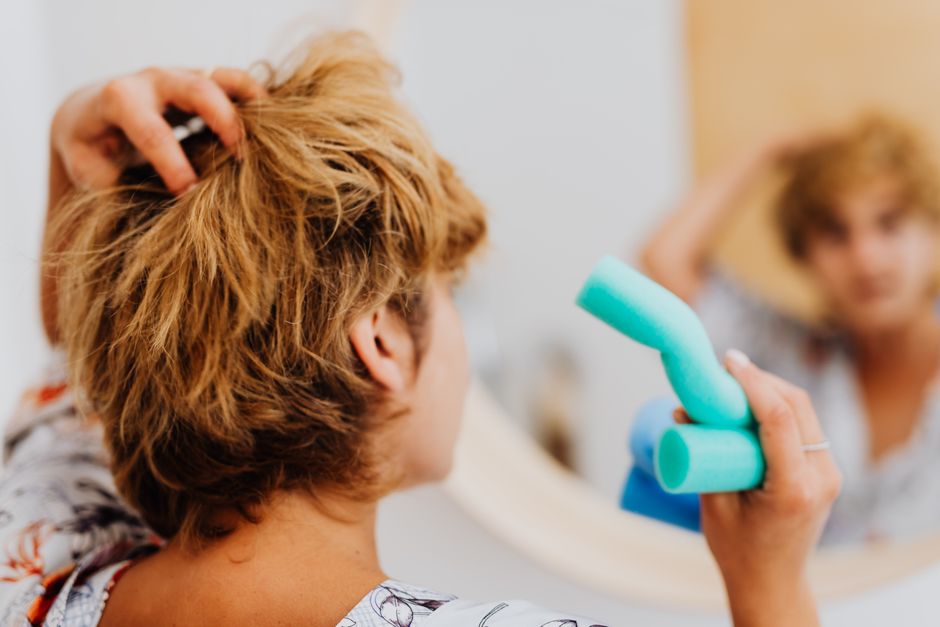
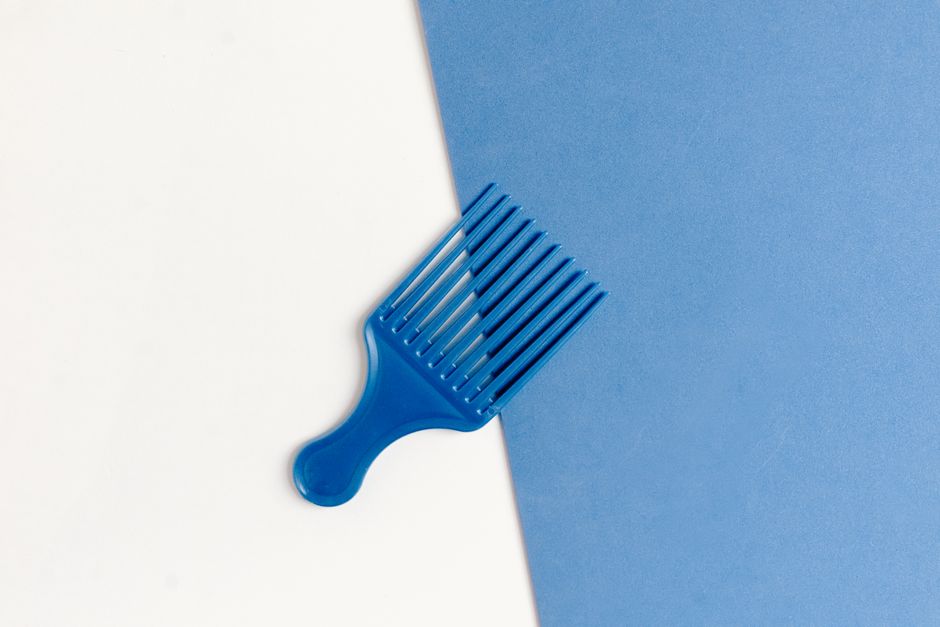
Detangle when your hair has enough slip to let the comb move without force. Many wavy, curly and tightly textured routines work well with conditioner in place; if your hair is easier to manage at another stage, keep that familiar approach. The important detail is that you are not hauling a comb through resistance.
- Separate your hair into sections you can hold comfortably.
- Support one section above a tangle to avoid pulling at the roots.
- Ease apart the ends first, then work gradually upwards.
- Pause at a knot and loosen it with your fingers before trying the comb again.
After rinsing, press your hair with a towel instead of rubbing briskly. Wrap it loosely while you dress. If you use a dryer, choose a comfortable setting and keep it moving; there is no need to finish every pool visit with a full styling session.
Notice When Your Routine Needs Adjusting
Let the next few swims tell you what needs attention. Tangled ends may need more careful sectioning and conditioning, while a slippery cap might need a different shape or a smaller bun. Hair that feels unpleasant immediately after washing could be responding to the shampoo or the way you are using it.
Keep your first adjustment small. Change the cleanser, spend longer rinsing or improve your detangling technique, then see whether the next session feels easier. Keep bottles topped up and dry your comb and pouch between trips, so rushed mornings do not undo a routine that otherwise works.
The best pool haircare routine is one you can repeat comfortably. A thorough rinse, a suitable wash and patient handling give you a practical foundation, leaving more of your summer evening for enjoying the swim itself.