
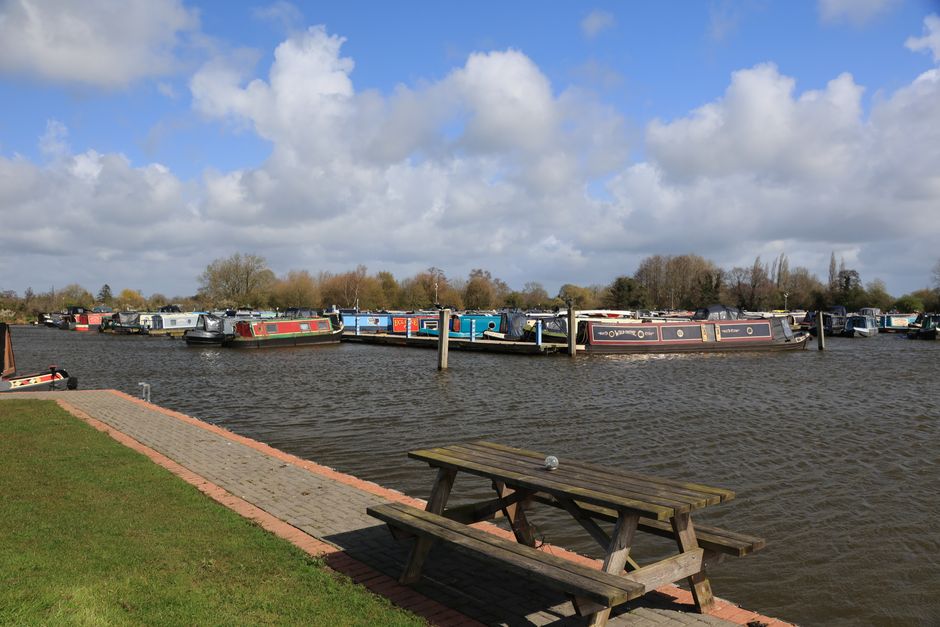
A First Canal Boat Holiday in England: What to Expect
Your first canal boat holiday begins to make sense when you stop imagining how far you will travel and start thinking about how you will spend each day. There will be slow stretches of water, shared jobs, small cupboards and conversations that continue while the scenery changes. For a May trip with friends, a short route and a realistic understanding of life aboard will give you a much easier introduction.
Choose a Short Route for Your First Hire
Start with the number of full cruising days you actually have. Collection and return days are often only partial days, and your first afternoon includes a handover. Ask the hire company to suggest beginner routes that fit those hours, allowing time for shopping, stopping and learning.
An out-and-back route can work well because you can turn around sooner if progress is slower than expected. However, a narrowboat cannot turn everywhere. Identify suitable turning places, often called winding holes, and understand where you need to turn to get back comfortably.
Compare routes by their features as well as distance. Locks, movable bridges, tunnels and busier stretches all affect the day. A short route with many locks may involve more work than a longer stretch with few. Ask specifically about anything that needs advance arrangements or particular experience.
- Choose a manageable number of locks for your crew’s abilities.
- Identify possible overnight stopping areas along the route.
- Allow for a shorter day if the weather turns wet or windy.
- Check route restrictions and navigation information before departure.
A loop may sound satisfying, but completing it can become an obligation. For your first trip, flexibility is often more useful than returning with an impressive distance covered.
Ask What the Handover Covers
The handover is part of the holiday, so arrive ready to pay attention rather than rushing to cast off. Ask how much instruction is included and whether the crew will have an opportunity to practise. Everyone who expects to steer or work locks should understand the relevant tasks.
Learn the boat before leaving
You need to know how to start and stop the engine, use the controls, steer, slow down and bring the boat alongside. Ask where it is safe to stand, how to handle ropes and what to do if the engine stops. Make sure the person demonstrating gives you time to repeat instructions in your own words.
Inside, locate the water controls, electrical switches, toilet system and emergency equipment. Ask about the correct use of the cooker, heating and ventilation, and where the boat’s instructions are kept. Understand the procedure for contacting the hire team if something goes wrong.
Ask for a clear explanation of locks and any moving bridges on your route. Establish which tasks need someone ashore and how you will communicate. If a demonstration feels too quick, ask to go through it again while the instructor is still there. That is far easier than trying to reconstruct it beside your first lock.
Share Steering and Lock Duties
Discuss the work before booking, especially if some friends are more comfortable with physical tasks than others. Locks can involve walking over uneven ground and operating heavy equipment. Steering requires sustained attention, even when the boat is moving slowly. Cooking, navigation and keeping the cabin organised are useful contributions too.
Rotate roles where people feel capable, but keep responsibility clear at each manoeuvre. One person should be in charge of the controls, with an agreed person ashore giving clear signals. Several people shouting different instructions usually make a simple task harder.
Follow the handover guidance and the instructions at each lock. Keep everyone aware of the boat’s position and the changing water level, including keeping clear of the lock cill as instructed. If anything feels wrong, stop the operation and get the situation understood before continuing.
- Agree simple words or hand signals before noise makes conversation difficult.
- Step ashore only when it is safe; never jump to make a manoeuvre work.
- Keep hands and feet away from gaps between the boat and solid edges.
- Never wrap a rope around your hand or body.
Use the buoyancy equipment provided as instructed. Keep the person steering focused on the boat, with photographs and drinks handled by someone else while you are moving.
Plan Days Around Slow Cruising
Set your daily ambitions in cruising time rather than road distance. Progress depends on the waterway, locks, queues and the number of times you stop. The hire company’s route estimate is a starting point, with additional room needed for your crew to learn.
A comfortable day might include breakfast, a morning stretch, lunch while moored and a shorter afternoon cruise. Choose an overnight stopping area early enough to have alternatives if your first choice is full or unsuitable. Longer May evenings are lovely for sitting outside, but they do not need to become extra hours at the tiller.
Slow down as required, including when passing moored boats, and follow the waterway’s rules. Rushing rarely gains much and makes the journey less pleasant for everyone. Have a crew member keep track of the route so the steerer is not also trying to read directions.
Plan land-based outings loosely. A pub or village shop can be a welcome stop, but making the entire day depend on one arrival time adds pressure. Carry lunch aboard, and regard a convenient stop as a bonus rather than your only way to eat.
Understand Water, Power and Storage Limits
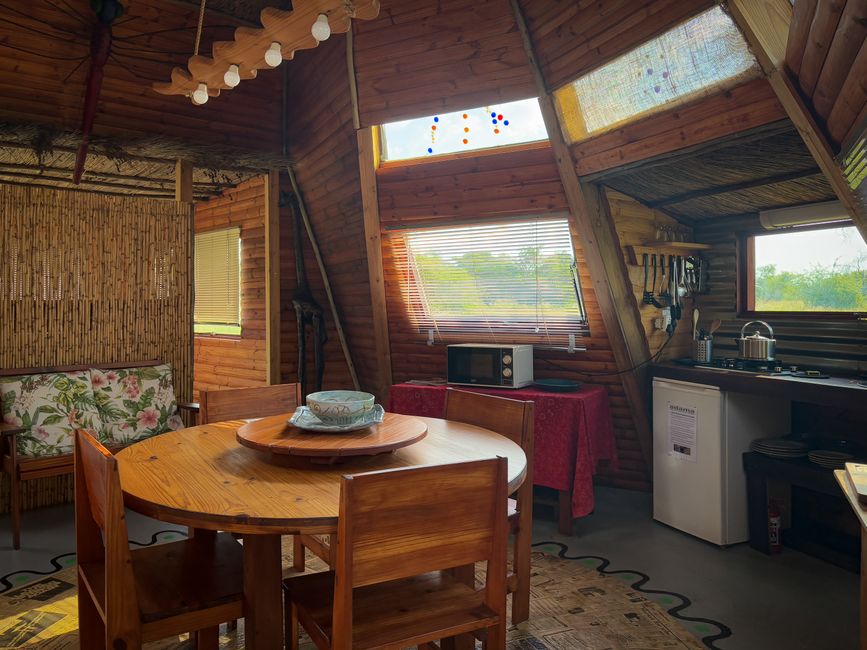
The cabin may contain familiar home comforts, but its supplies have limits. Ask how to check the fresh-water level, where you can refill and which hose and fittings to use. Learn how the toilet is emptied or serviced, and which supplies are suitable for its system.
Electricity arrangements vary between boats. Find out what the sockets can power, how the batteries are charged and whether particular appliances need the engine running. A hairdryer or other powerful appliance may not be usable in the way you expect. Follow the hire company’s guidance and any mooring restrictions on engine use.
Pack for the cupboards you have
Use soft bags that fold away rather than rigid suitcases. Bring layers, a waterproof jacket and footwear with a reliable grip for damp surfaces. May mornings can feel cool on the water even when the afternoon is warm, so an extra jumper earns its space.
Plan meals around a small fridge and limited worktop. Pasta with vegetables, an easy breakfast and sandwich ingredients are more practical than several elaborate dinners. Unpack together, assign places for shared items and keep walkways and exits clear. A tidy cabin makes sharing a compact space much more comfortable.
Budget for Moorings, Food and Travel
Compare the full hire terms, including fuel arrangements, deposits, bedding, parking and any optional extras. Ask which costs are included and which are settled separately. Understand the cancellation terms and return requirements before dividing the bill between friends.
Mooring arrangements vary, with some stopping places carrying charges or limits. Build a small allowance for these, waterway services where charged, food ashore and travel to the base. Put shared groceries into the budget too, rather than leaving one enthusiastic organiser to fund the first shop.
Agree how you will record shared spending and handle personal extras. Then leave room in both the budget and the route for an unplanned pause. A successful first canal holiday is one where you return the boat on time, everyone has found a comfortable role and the slow days have had a chance to feel like a holiday.