A September Food Break in Bologna for Curious Cooks
Bologna rewards the kind of traveller who notices how pasta is folded and wants to know what went into the sauce. In September, you can build a lovely short break around those small discoveries, with time for market browsing, a practical class and unhurried meals. Give the food some space in your itinerary and you will come home with more than a list of dishes you managed to eat.
Choose a Base Within Walking Distance of Meals
Start your accommodation search with the rhythm of your days. You might want an early wander past food shops, a place to rest after lunch and a short walk home after dinner. A convenient base makes those pauses easy, especially if you prefer to leave your bag behind between outings.
Look at the actual walking route to the areas where you expect to eat. Staying in or near Bologna’s historic centre can help you group stops around Piazza Maggiore and the surrounding streets. Balance that convenience with your preference for quieter nights; a room directly above lively evening venues may suit one traveller and frustrate another.
Check whether the room has stairs, a lift and somewhere to store luggage around arrival and departure. A kitchenette is useful only if you genuinely want to prepare food. For a short visit built around meals out, a comfortable room and practical location may matter more.
September can still bring warm afternoons alongside cooler evenings and rain. Pack layers and comfortable shoes rather than assuming full autumn weather. Leave your arrival evening fairly open, with one manageable meal nearby, so a delayed journey does not unsettle the whole trip.
Visit Food Stalls Early in the Day
Give your first full morning to browsing while your attention is fresh. The food-shopping streets of the Quadrilatero, close to Piazza Maggiore, are a useful area to explore. Mercato delle Erbe is another place to consider for food stalls and a different market setting. Check the opening days and hours for the particular stalls you hope to visit when planning your dates.
Go with a small appetite and a short list of things you are curious about. You might compare the shapes of filled pasta, examine the texture of different cheeses or notice how vegetables are arranged for everyday shopping. Leave space for whatever catches your eye rather than turning the morning into a fixed tasting schedule.
Ask one useful question
When a stallholder has a quiet moment, ask how an ingredient is normally prepared or what they would serve with it. Keep questions focused, ask before photographing people or displays, and step aside when regular customers need to order. A small purchase can become the beginning of a much better cooking memory than a hurried photograph.
Carry a reusable bag, but resist buying perishable ingredients without a way to keep them suitably chilled. For anything you hope to bring home, check the relevant baggage and food-entry rules before purchasing.
Book a Pasta Class That Matches Your Experience
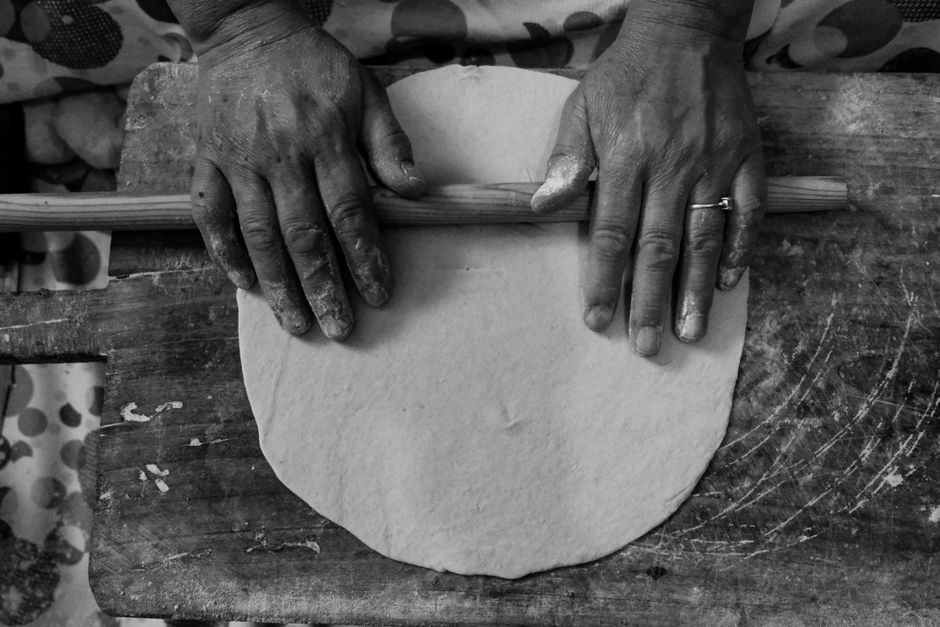
The most helpful class is one that lets you practise a skill you want to use in your own kitchen. If you have never made dough, look for hands-on mixing, kneading and rolling. If you already use a pasta machine confidently, you may enjoy concentrating on rolling by hand or shaping filled pasta.
Read the class description for what each participant actually does. Watching someone make several dishes is a different experience from preparing a smaller number yourself. Ask about group size, shared workstations and whether every person gets time with the rolling pin or machine.
- Check which pasta shapes you will make and how they are taught.
- Confirm the teaching language and the length of the practical session.
- Find out whether you eat the finished dishes afterwards.
- Explain dietary needs before booking and confirm what can be adapted.
- Look for written recipes or permission to make your own notes.
During the session, notice tactile details as well as quantities: how the dough feels after resting, how much flour goes on the board and how the edges of a filled shape are sealed. Those observations will help when your home ingredients behave slightly differently.
Schedule the class as a substantial part of the day. If it includes a meal, treat that as lunch or dinner rather than squeezing it between two restaurant bookings.
Leave Space Between Restaurant Reservations
Choose a few meals you care about and let the rest remain flexible. One main reservation per day can give the trip an enjoyable anchor while allowing for a late breakfast, a long class or a market snack that turns out to be more filling than expected.
Use the menu to explore contrasts. Tagliatelle with ragù offers something different from filled tortellini served in broth, while a vegetable dish or simple side can change the pace between richer meals. You do not need to order every course to feel that you have eaten properly.
Ask about portion sizes if you are unsure, and check whether sharing suits the restaurant before assuming it will. Read the listed cover charge and other menu details when choosing where to sit. Keeping the practical questions clear leaves you free to enjoy the meal once it arrives.
Build a loose weekend rhythm
You could browse markets on the first morning, have a relaxed lunch and take an afternoon walk before dinner. Put the pasta class on the following day, with a lighter later meal if you are still full. Leave the final morning for breakfast and a return to a favourite shop, rather than one last complicated reservation.
Walk the Porticoes Between Food Stops
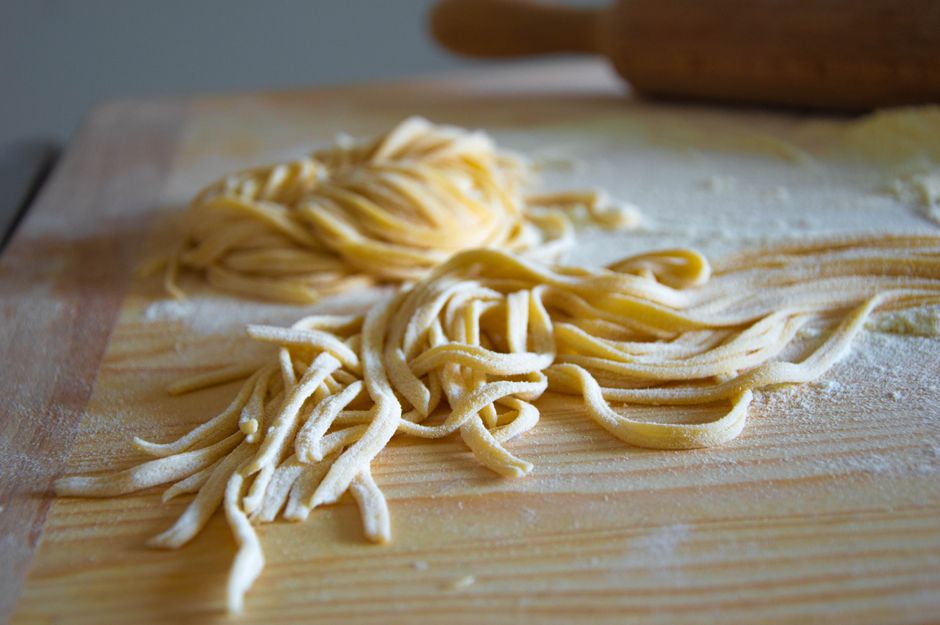
Bologna’s porticoes give a food-focused trip another thread to follow. Walk beneath the arcades between meals and notice how their proportions, columns and surrounding streets change. The route can be as modest as a loop from your accommodation through the centre and back by a different street.
Choose direction before distance. Group nearby stops rather than crossing the city repeatedly for individual snacks. A walk around Piazza Santo Stefano can fit naturally into an afternoon of exploring the centre, with time to sit and look around before thinking about the next meal.
The arcades offer shelter along many stretches, but you will still cross open spaces. Carry a light rain layer and water, and judge longer walks against the day’s weather and your energy. After a warm afternoon or a long practical class, a short stroll may be exactly enough.
Keep walking time separate from shopping time in your expectations. Browsing windows, pausing for photographs and studying menus will slow you down in the nicest way. Allow that to happen, and leave enough margin to reach any booked meal without hurrying through the streets you came to enjoy.
Keep Notes on Dishes to Recreate at Home
Write a few details soon after a memorable meal, while you can still recall them. The name of the dish is useful, but texture and balance are what will guide your cooking later. Was the pasta thin and supple, the sauce lightly coating it, or the filling especially delicate?
Separate what you know from what you are guessing. Record ingredients the cook actually mentioned, then label your own impressions as possibilities. A photograph can remind you of presentation, but it cannot tell you how a dough felt or why a sauce tasted balanced.
Choose one manageable project for your first weekend home. That might be practising the shape from your class, rolling a smaller batch of dough or serving a familiar sauce with more care. Buy a useful ingredient or tool only if you understand how you will use it and can transport it appropriately.
A successful food break leaves room for curiosity at the table and confidence in your own kitchen. Bring back a technique you enjoyed, a flavour you want to explore and enough clear notes to begin.