
An Autumn Stay in a Scottish Bothy: Planning the Basics
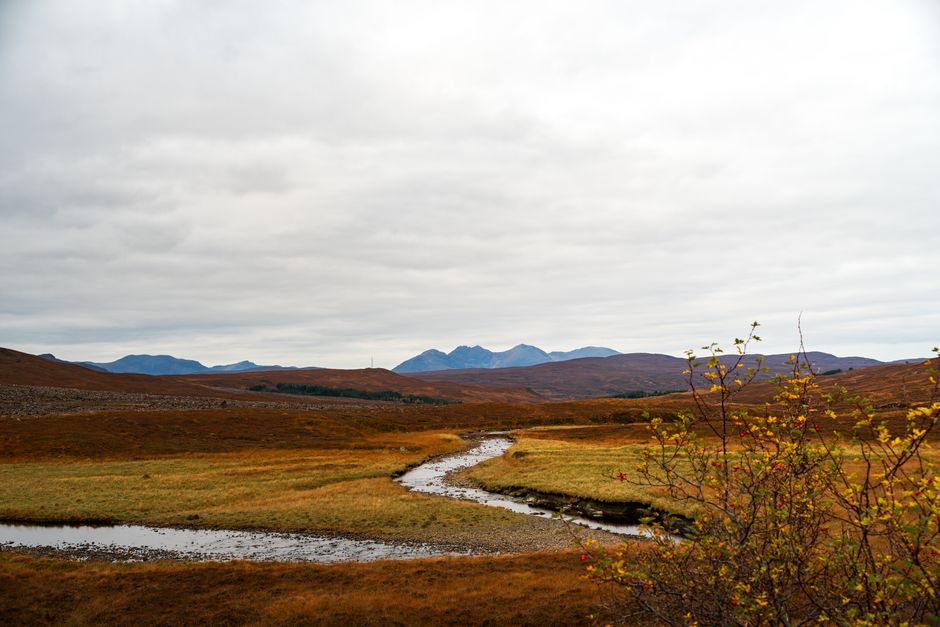
A stone bothy among autumn hills can look like the perfect place to end a Scottish walk: a roof, a simple meal and the sound of weather outside. The experience depends on arriving prepared for a basic shared shelter, with enough daylight and equipment to manage if things change. Before you choose a route, decide whether that kind of overnight stay suits your walking experience and your idea of a comfortable October weekend.
Understand What a Bothy Does and Does Not Provide
A traditional open bothy is an unstaffed shelter, often a simple building in a remote setting. Think in terms of shelter from the elements rather than hotel facilities. Do not assume there will be electricity, running water, a toilet, bedding, cooking equipment or a working fireplace. Conditions vary between buildings, and photographs may show comforts brought in by previous visitors.
A sleeping platform, where provided, is a bare surface rather than a made-up bed. The floor may be the only available sleeping space. You need your own insulation underneath as well as a sleeping bag, because a roof does not make an unheated building warm.
Be careful with accommodation descriptions: a commercial cottage called a bothy may operate like a holiday rental, while an open walking bothy follows a very different arrangement. Establish which you are considering before making plans with friends. A private room, reserved sleeping place and supplied breakfast should never be assumed.
For a first trip, choose companions who are comfortable sharing practical tasks and adapting the plan. Talk about cold evenings, basic washing and toilet arrangements beforehand. If someone wants a dependable warm shower at the end of the day, a nearby village base with a day walk may be the happier choice.
Check Access Guidance and Seasonal Restrictions
Once you have a possible shelter in mind, read the current information from its maintaining organisation or land manager before setting off. Check the exact building location, approach instructions, any closure notices and whether the route crosses land with seasonal access guidance. Autumn stalking activity can affect suggested routes or timing in parts of Scotland.
Check both the shelter and the walk. A building may be available while your preferred approach has a damaged bridge or a requested diversion. Save the relevant details where you can read them offline, and carry a paper map covering alternative approaches and exits. Do not rely on finding reception beside a gate.
- Identify the permitted parking or public transport starting point.
- Check any restrictions on groups, dogs or length of stay.
- Establish the water and toilet arrangements rather than guessing.
- Read local guidance on fires, fuel and waste.
- Review notices again close to departure.
Keep gates as you find them, avoid blocking tracks and follow any local requests. Public transport needs its own check: a stop near the map’s start point is useful only if the service runs when you need it, including on the return day.
Assess the Route Against Your Experience
Distance alone is a poor guide to effort. A short line on the map may involve steep ground, bog, indistinct paths or a river crossing. Compare the ascent, surface and navigation demands with walks you have actually completed while carrying an overnight pack. Your pace with sleeping equipment and food may be slower than on a light summer outing.
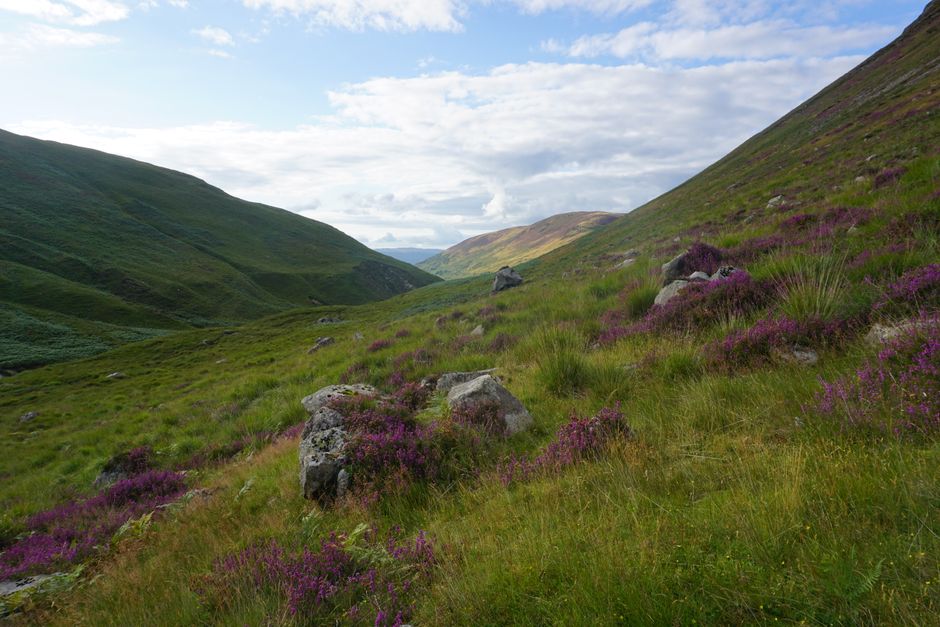
October brings shorter days, and Scottish hill weather can include cold rain, strong wind and wintry conditions on higher ground. Look at a mountain forecast appropriate to the area as well as the forecast for the nearest town. Low cloud can remove the landmarks that make a route seem obvious in photographs.
Make the route reversible
Mark decision points where you can turn back or take a straightforward exit. Avoid building your first bothy trip around an exposed ridge or an unbridged river that could rise after rain. A crossing that looked manageable on the outward walk may be different the following morning. Never force a crossing to reach an overnight destination.
Agree on a turnaround time before starting and leave room for navigation pauses, food and slower progress. Share your route, intended shelter, alternative plan and expected return time with someone at home, including what they should do if you are overdue. Carry a charged phone and reserve power, while planning for stretches without a signal.
Carry Your Own Sleeping and Cooking Equipment
Pack as though the shelter contains no useful supplies. Your sleeping bag should suit the expected overnight conditions, and your mat needs enough insulation for a cold floor or platform. Keep both dry inside waterproof protection within your pack. Spare socks and a dry layer make the evening much more comfortable than trying to sleep in damp walking clothes.
- Waterproof outer layers, warm clothing, hat and gloves.
- Sleeping bag, insulating mat and a reliable headtorch with spare power.
- Map, compass and the skills to use them.
- Food, drinking water and an appropriate way to treat additional water.
- A suitable stove, fuel, lighter, mug, spoon and cooking pot.
- First-aid supplies, personal essentials and bags for carrying out rubbish.
Do not assume a nearby stream is drinkable untreated, or that it will be easy to reach in poor conditions. Plan how much water you need for walking, dinner and breakfast, and identify a reliable supply before choosing the trip.
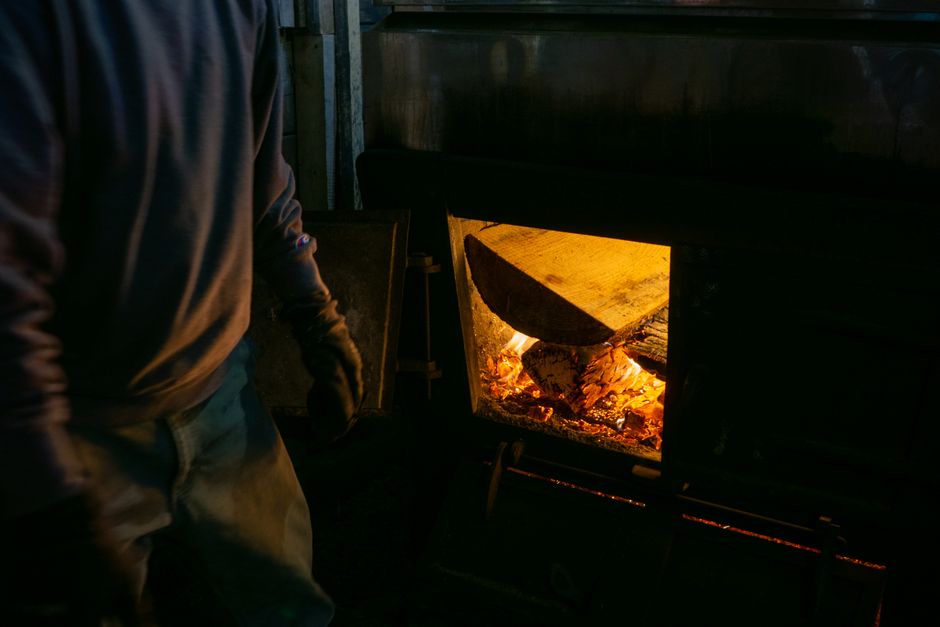
Choose a simple meal that needs little preparation and can be eaten cold if cooking becomes impractical. Use a camping stove outdoors in a suitable position, following its instructions; never use it for warmth in a sleeping space. Carbon monoxide can accumulate in enclosed areas. A fireplace does not guarantee usable fuel or permission for a fire, so your warmth must come from your equipment.
Plan for Shared Space and No Guaranteed Bed
An open bothy may already contain walkers when you arrive, and more people may appear later. Keep your kit compact, leave access clear and discuss sleeping arrangements politely. Spread out only what you need. A small group can fill a modest room quickly, so check the shelter’s guidance before organising a larger gathering.
Expect different bedtimes and early departures. Pack rustling bags before others settle, lower your voice in the evening and use your headtorch considerately. Keep food contained, clean up crumbs and take all your rubbish away, including packaging, leftover food and used wipes. Leaving supplies behind for someone else can create clutter and attract pests.
Use any provided toilet according to its instructions. Where there is none, follow the location’s outdoor toileting guidance, keeping waste well away from water, paths and the building. Bring the equipment required and carry out hygiene products. Work out these arrangements before darkness makes everything less convenient.
Most importantly, have a viable plan if the building is full or unusable. A tent helps only where camping is permitted and conditions, equipment and experience make it workable. It should not be an unfamiliar emergency prop.
Leave Early and Keep an Alternative Stay
Plan to reach the shelter comfortably before dusk. That gives you time to assess its condition, find water and change the plan while you can still see. Work backwards from your intended arrival time, adding a generous margin instead of treating sunset as a finishing deadline.
An alternative stay must be reachable. Identify accommodation or a return route that works with remaining daylight, transport and your energy. Set the decision point early enough to use it; a room several hours away cannot solve a late arrival at a remote, crowded bothy.
Choose a straightforward first outing and let the landscape provide the adventure. With a realistic route, a dry sleeping kit and a credible fallback, you can enjoy the quiet of an autumn evening without depending on the shelter to provide more than it does.