
How to Choose a Belt That Works with Your Favourite Jeans
You know the jeans: the pair you reach for when the morning is rushed and the weather cannot decide what to do. A well-chosen belt should make those jeans easier to wear, whether you need a little support at the waist or a finishing detail beneath a tucked shirt. As September brings denim back into regular rotation, start with the pair you own and let its fit guide your choice.
Measure Your Jeans and Their Belt Loops
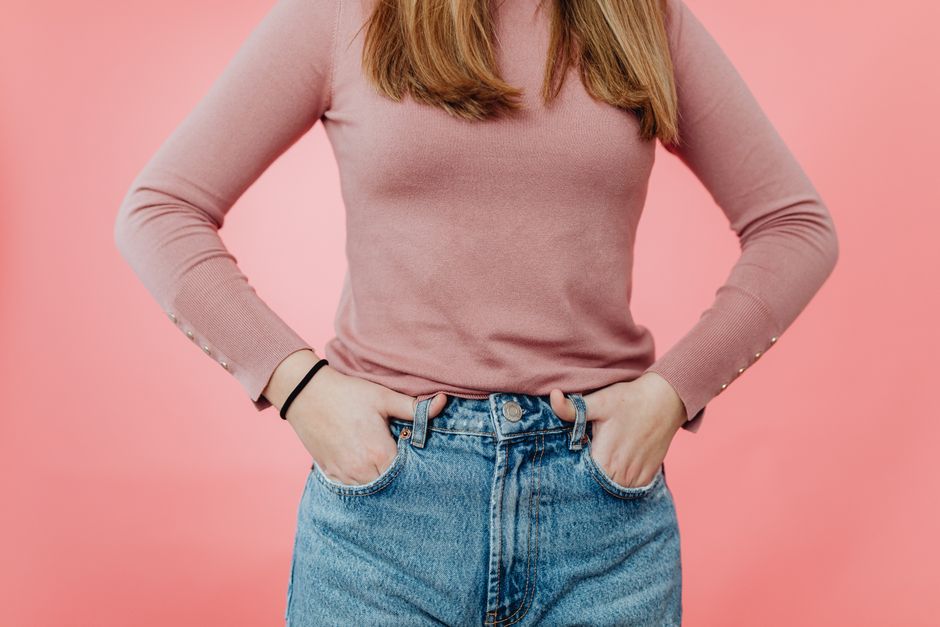
Put on your favourite jeans and notice where the waistband sits. A belt worn around high-rise denim needs a different length from one sitting lower on your hips. Your usual clothing size will not necessarily tell you which belt fits either position.
Thread a flexible tape measure through the loops, following the route the belt will take. Keep it comfortable rather than pulling the waistband tight. Note the measurement while standing, then sit down to check how much room you need when your body changes position.
If you already own a belt that fits these jeans, measure from the point where its buckle pin meets the strap to the hole you use. Compare that with the retailer’s measuring diagram, since belt sizing conventions vary. The full length from one end to the other is often a different measurement from the stated size.
Measure the clear space inside the narrowest belt loop too. The loops at the back may be more restrictive than those at the front, particularly on jeans with thick seams.
- Write down the wearing measurement for each rise you use regularly.
- Check the narrowest loop, not just the easiest one to reach.
- Take the jeans with you when trying a belt in person.
Choose a Width That Sits Flat
A strap should slide through the loops without folding at the edges or needing a firm tug. Leave a little clearance above and below it so you can thread it comfortably. A belt that only just squeezes through may become frustrating once the end is doubled near the buckle.
For everyday denim, a medium-width belt often gives a clear visual line without dominating the waistband. A slim belt can feel lighter with a fine knit or delicate blouse, while a wider strap can suit substantial denim and a more prominent buckle. The useful width is the one your particular loops can accommodate.
Look at the waistband from the side
Fasten the belt and check whether it follows your shape. If the strap stands away, rolls or digs in, try a more flexible construction or another width. Do the same test seated; a belt that looks tidy while standing may press against you at a desk.
A belt can tidy a modest waist gap, but pulling it hard to gather several centimetres of spare denim creates bunching. If that is happening, the jeans themselves may need a fit adjustment. You should not have to cinch until the front pockets distort.
Compare Small and Statement Buckles
Think about the clothes that will sit above the buckle. A compact, fairly flat shape is easy beneath a jumper and less likely to create a bump under a close-fitting top. A larger buckle becomes a visible part of an outfit, especially when you tuck in a plain shirt.
Try the buckle while sitting, leaning forward and reaching down. Its edges should not press sharply into your middle. Check its weight too: a heavy buckle on a supple strap can tip forwards instead of resting neatly against the waistband.
Run your fingers gently around the metal edges and keeper. Rough spots can catch fine knitwear, while loose or rattling parts may make the belt feel less secure. Open and close the fastening several times to see whether it is pleasant to use with your hands.
You do not need every metal detail in an outfit to match. If you like a quieter effect, choose a buckle with a similar finish to jewellery you wear often. If you prefer contrast, repeat its shape or colour somewhere small, such as a rounded earring. Let the whole outfit guide you rather than chasing a rigid rule.
Check the Useful Range of Fastening Holes
The most useful fit gives you adjustment in both directions. Ideally, your comfortable fastening point sits somewhere within the available range rather than at its very end. That leaves room for a tucked shirt, different jeans or simply a day when you want the waist less snug.
Check the spacing between holes. Wider spacing can leave you choosing between slightly loose and slightly tight, even when the nominal size is correct. Woven designs may offer more flexible fastening positions, but the pin should pass through the weave cleanly without forcing strands apart.
Look at the tail after fastening. It should reach its keeper and sit securely rather than sticking out or wrapping awkwardly around your side. With jeans that have widely spaced front loops, the belt’s own keeper does more work.
Test the full fastening
Thread the strap, settle the pin properly into a hole and pass the end through the keeper. Check whether the buckle lies straight. If you plan to add a hole, establish whether the strap’s construction allows it neatly; layered or stitched belts can be less forgiving. Choosing the right size first avoids turning a small accessory purchase into a repair project.
Try Brown, Black and Woven Finishes
Lay two or three options across your jeans beside the tops you already wear. This gives you a clearer comparison than considering a belt in isolation. September outfits often combine shirts, cardigans and light jackets, so include one of those layers when judging the colour.
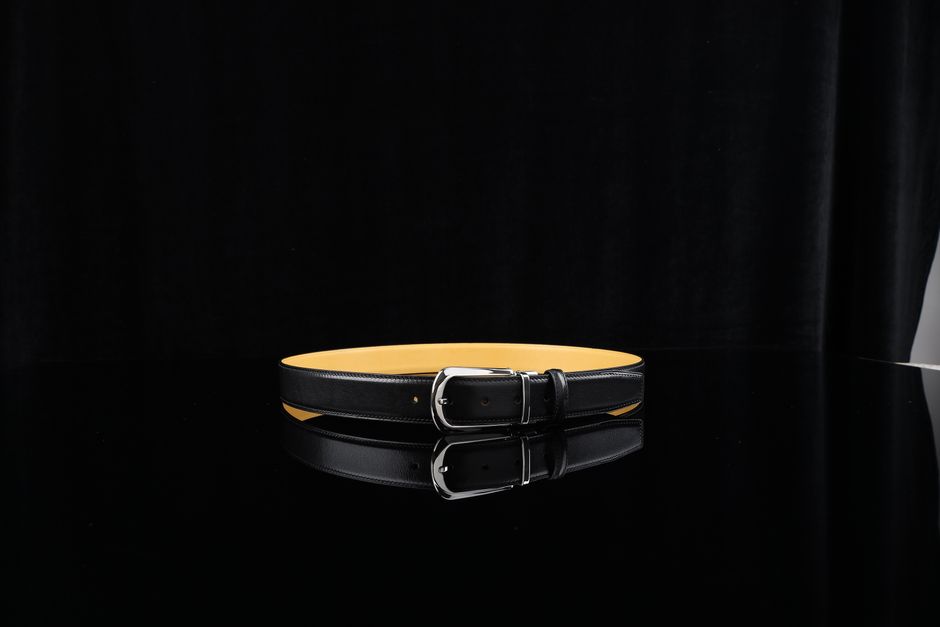
Brown can bring a warm accent to dark blue denim, cream cotton and olive outerwear. Black gives a more defined line with grey jeans, darker washes or a white shirt. A woven finish adds visible texture and can feel relaxed with softer denim. None of these combinations requires matching your shoes exactly.
Examine the material as closely as the colour. Flex the strap gently and look for cracking, peeling edges or layers beginning to separate. On a woven belt, check that the strands are even and the area near the buckle feels secure. Inspect stitching along the edges and around any folded attachment.
Consider surface finish alongside practicality. A very glossy strap will stand out against faded denim; a matte one blends in more easily. If you want one belt to cover most days, choose the option that works with several complete outfits, including your least dressy one.
Store Belts Without Bending the Buckle End
Once you have a belt that works, give it enough space to keep its shape. Hang it from a suitable smooth hook or roll it loosely in a drawer, allowing the buckle to rest without being forced against the strap. Avoid tight folds at the point where the buckle joins the material.
Undo the belt before pulling it out of your jeans. Tugging it through while partly fastened puts unnecessary strain on holes and stitching. If it gets damp in an autumn shower, let it dry naturally away from direct heat and follow the material’s care instructions before applying any cleaner or conditioner.
Keep the belt where you get dressed, with the buckle easy to see. A small divider can stop several rolled straps tangling together without requiring a whole new storage system.
After a few wears, notice which fastening feels best and whether the strap still lies comfortably when you sit. The successful choice is the one you can thread through your favourite jeans, fasten without a second thought and get on with your day.