How to Style a Cotton Shirt Dress for Late Summer
A cotton shirt dress earns its place in an August wardrobe because you can change its mood without changing the whole outfit. Loosen the shape for a warm afternoon, turn back the cuffs, or add a small bag before dinner. The most useful adjustments start with how the dress moves on you, then build around the details you actually like wearing.
Start with a Comfortable Shoulder and Bust Fit
Put the dress on with the underwear you expect to wear underneath and fasten it as you would for a normal day. Before reaching for accessories, sit down, reach forward and lift your arms. Check whether the shoulder area pulls, the armholes pinch or the buttons strain across your bust. A belt cannot solve a fit problem higher up the dress.
Shoulder seams vary with the cut: a deliberately dropped seam is different from a fitted shoulder that slips out of position. Look at the overall drape rather than insisting that every seam sit in one prescribed place. You want enough room to move while the collar and button placket remain reasonably settled.
Stand near a window to check coverage, especially with pale cotton. Look at the front, back and any side splits, then repeat the check while seated. A lightweight slip can be useful if you want extra coverage, provided it does not add uncomfortable bulk or show below the hem.
Finally, walk a few paces at your usual speed. If you keep tugging the skirt down or holding the front closed, try a different size or cut before deciding how to style it.
Try the Dress with and Without a Belt
Wear the dress loose first. A straight or gently flared shape can feel particularly good on a warm afternoon, and it allows the cotton to move around you. Keep the rest of the outfit fairly simple while you assess the silhouette: flat sandals and a familiar bag are enough.
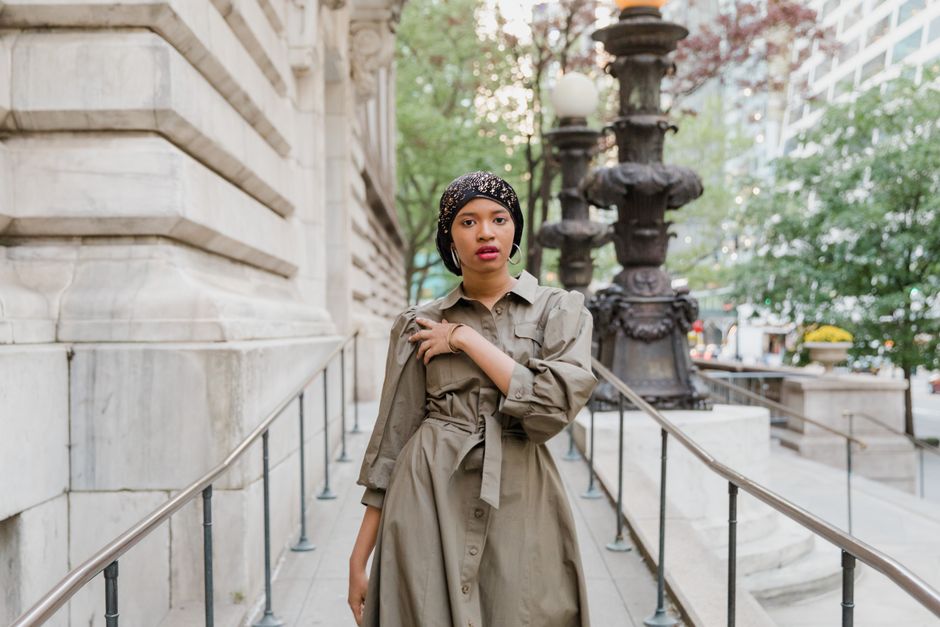
Next, add the fabric tie that came with the dress, if there is one. Tie it loosely rather than pulling the waist as tight as possible. Spread the gathers with your fingers so they do not all bunch at the centre, and check that the button placket still falls vertically.
Experiment with where the belt sits
A slightly higher or lower position can change the proportions, but comfort should decide where it stays. Sit down again. If the belt digs in or draws the skirt awkwardly upwards, loosen it or remove it. You do not need a defined waist for the outfit to look complete.
For another option, try a narrow woven belt in a colour already present in your shoes or bag. Check that the buckle is not too heavy for the cotton. A substantial buckle can drag a light dress out of shape.
Roll the Sleeves to Change the Proportions
Sleeves make a surprisingly visible difference to a shirt dress. Leaving them down can emphasise a long, clean line; turning them back exposes your wrists and makes the outfit feel more casual. Start with the cuff undone, fold it back once along its existing edge, then add another fold if the fabric allows.
Keep the roll broad enough to sit comfortably rather than making a tight band around your arm. Thick cotton may only need one turn. If the sleeve has a tab designed to hold it up, use it without pulling the sleeve into a cramped bundle.
Match the general height of the two sleeves, then stop fussing. Perfectly measured cuffs can feel at odds with an easy summer outfit, while dramatically different rolls may distract you all day. Bend your elbows a few times to see whether the folds stay in place.
When the evening cools, unroll the sleeves and add a light cardigan if needed. Try that layer before you leave home, especially if the dress has full sleeves. A compact cardigan or an open lightweight jacket can sit comfortably without crushing the collar or bunching under the arms.
Pair a Plain Dress with Textured Sandals
A plain cotton dress gives texture room to show. Woven leather, braided straps or a softly grained finish can add interest without requiring a print or an elaborate accessory. Choose a sandal shape that suits your plans first, then decide how much contrast you want.
For a day with plenty of walking, use a pair you already trust. Check where the straps sit and whether your foot slides forward. A beautiful sandal that needs constant adjustment will become the main thing you notice about the outfit. Match the shoe to the ground too: lawns, uneven paving and long station walks ask different things of your footwear.
- A blue shirt dress works easily with tan woven sandals and a canvas bag.
- A white dress can take brown textured sandals and a simple leather belt.
- An olive dress pairs well with black sandals and a small, uncluttered bag.
These are starting points, not rules about which colours belong together. Repeat a tone if you like a coordinated finish, or let the sandals be the only textured piece. With a strongly patterned dress, quieter straps may give your eye a place to rest.

Choose a Small Bag for an Evening Meal
You can take the same dress to dinner by changing what you carry. Empty your daytime bag onto a table and select the things the evening requires: phone, keys, payment method and perhaps a lip colour. Test them inside your smaller bag before committing to it. A compact shape stops looking effortless when the fastening is straining.
A small shoulder bag leaves your hands free, while a pouch can work if you will be seated for most of the evening. Look at where the strap crosses the dress. It should not catch the collar, drag across a delicate button or continually flatten one side of a gathered waist.
Choose one other finishing detail if you want a change, such as small hoops or a bracelet revealed by turned-back cuffs. You can also switch from a loosely tied fabric belt to a simple leather one. There is no need to make every element more formal at once.
Keep the setting in mind. For an outdoor table, bring a layer you are happy to wear throughout the meal. For a walk home, comfortable sandals matter more than whether a heel might look dressier in a photograph.
Keep Cotton Looking Fresh Between Wears
After wearing the dress, check the collar, cuffs and underarms before hanging it up. Air it somewhere with room around the fabric, away from strong sunlight that could fade the colour. If it needs washing, follow the care label and pay attention to trims, belts and buttons as well as the main fabric.
Smooth the placket and gently reshape the collar after washing. Dry it as directed, allowing enough space for the skirt to hang freely. Remove a detachable belt if its care needs differ, and avoid winding it tightly around a damp dress.
For quick pressing, concentrate on the details that frame the outfit: collar, button band, cuffs and any noticeably crushed section of skirt. Use the temperature suited to the label. Test steam carefully around special finishes rather than assuming every cotton dress responds the same way.
A few soft creases are part of wearing cotton through a summer day. Keep the fit comfortable, choose details with a purpose and let the dress do most of the work. That is what makes it so useful for the final stretch of sandal season.