Dutch Tulip Fields by Train: Planning a Spring Visit
A train journey through the Netherlands can be a lovely beginning to a spring flower trip, but the station is rarely the final stop. The most enjoyable car-free visit joins the rail journey to a realistic local route, with somewhere you are welcome to view the flowers. Plan around April’s possibilities rather than a guaranteed photograph, and leave enough room for weather, walking and a proper lunch.
Treat Flowering Dates as a Flexible Window
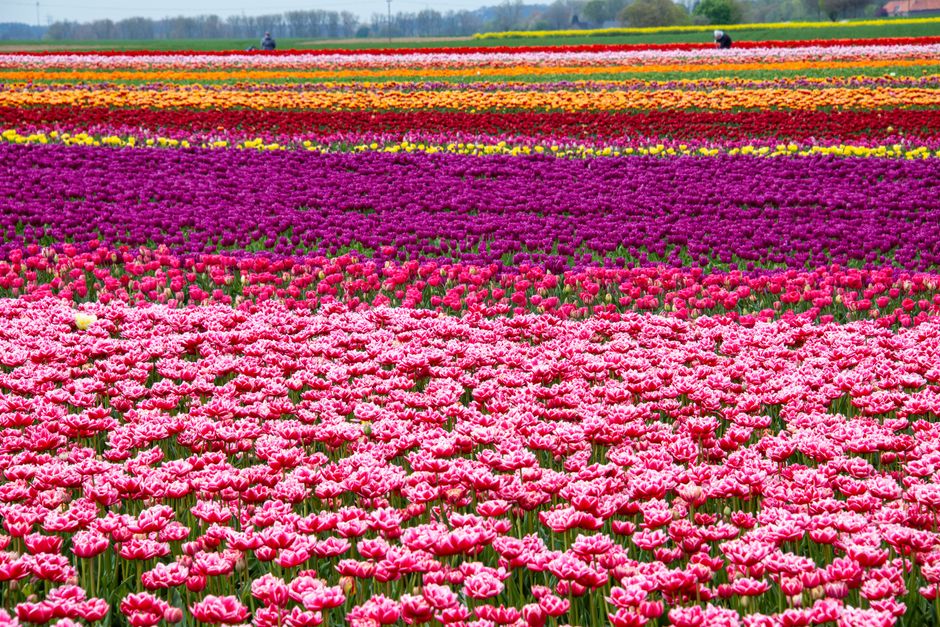
Tulips do not follow a visitor’s calendar. Their flowering depends on the variety and the weather leading up to your trip, so neighbouring fields can look different on the same day. April is a useful month to consider, but a date alone cannot promise rows of flowers at their fullest.
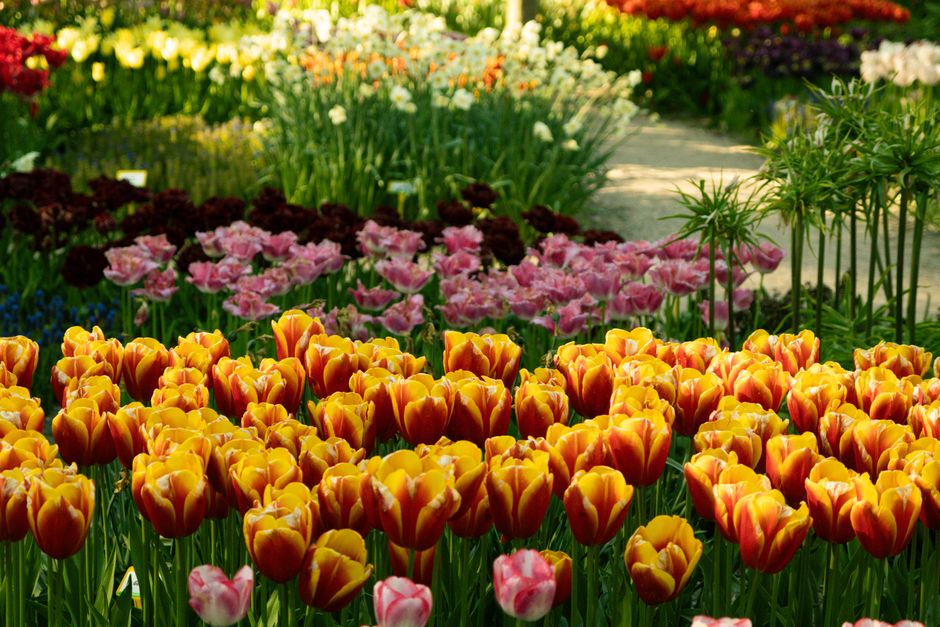
Distinguish between commercial bulb fields and planted visitor gardens. A working field is managed for the crop, and flowers may be removed as part of that process. A garden offers a deliberately arranged visitor experience, although its outdoor displays are still affected by the season.
If flowers are your main reason for travelling, give yourself more than one possible outing during your stay. Keep the field day flexible where your bookings allow, then choose the better weather window closer to departure. A dry, bright morning may be more enjoyable than squeezing a long ride into a wet afternoon.
Before committing to a particular area, look for recent flowering updates from the destination or attraction itself. Check when photographs were taken rather than relying on an undated gallery. Use that information to choose your outing, while keeping a second plan you would enjoy even without tulips.
Choose a Rail Base for Your Trip
Start with the wider holiday you want. Amsterdam can suit a trip that combines museums and city time with a flower excursion. Haarlem or Leiden are other bases to investigate when considering the bulb-growing area around Lisse. Compare complete journeys from the accommodation you are considering, rather than choosing solely by the distance on a map.
A room near a useful station can save effort on both the flower day and your arrival day. Check the walking route with luggage, the number of train changes and whether your onward local transport leaves from that station or somewhere else. A cheaper room farther away may add two extra journeys each day.
Compare the whole day’s shape
- Allow time to get from your room to the platform.
- Include the wait and transfer for the final local connection.
- Leave room for food, toilets and a seated break.
- Check the route back before deciding how late to stay.
You do not need to change hotels to make every journey as short as possible. For a brief break, one convenient base often makes the trip feel calmer than moving your bag between cities for a modest saving in travel time.
Plan the Last Leg Beyond the Station
This is the part of a flower trip that deserves the most attention. A rail ticket to a nearby town does not necessarily bring you within a comfortable walk of a viewing area. Choose the exact garden, permitted viewpoint or public route first, then work backwards to its access point.
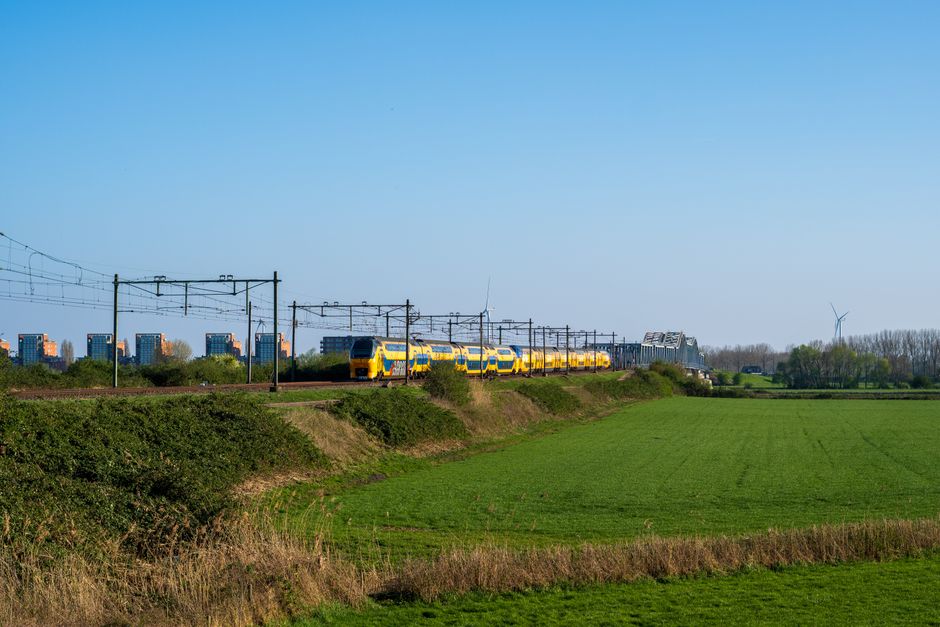
Depending on your destination, the last stretch might involve a local bus, a seasonal visitor service, a hired bicycle or a walk. Check which options operate on your travel date, where they stop and how the return works. Avoid building the day around a connection so tight that one delayed train would unravel it.
If you want to cycle, assess the distance as a return journey, with stops added. Flat ground does not eliminate effort when you are riding into the wind. Choose a route suited to your confidence, and confirm that the bicycle provider has a suitable size and a clear return arrangement.
Walking needs the same care. A short-looking line on a map can involve roads without a pleasant pedestrian route. Find a route using public paths, and check surface conditions and crossing points. For step-free travel, verify the whole chain, including the station, local vehicle and destination entrance.
Carry a wind-resistant outer layer, comfortable shoes, water and a charged phone. Save the return details where you can find them easily, with enough battery left for the journey home.
Use Public Paths and Designated Viewing Areas
The familiar photograph of someone standing among rows of tulips can hide an important distinction: some photographs are taken at visitor sites, while commercial fields are working land. A visible gap between rows is not an invitation to walk in. Stay on public paths and use places where visitors are expressly welcomed.
You can enjoy broad bands of colour from outside a field without stepping across a boundary. Take a wider photograph that includes the landscape, or choose a designated photo area if being close to flowers matters to you. A visit arranged for that purpose makes the experience much more straightforward.
Keep shared routes usable. Move fully out of the way before stopping, and do not leave bicycles across a path while taking pictures. Watch for farm vehicles at access points and avoid gathering in gateways. You are sharing the area with people whose day is not a sightseeing trip.
Leave flowers and bulbs where they are. If you would like tulips to take home, use a place that specifically offers picking or sells cut flowers, and follow its arrangements. Building that stop into the itinerary is more enjoyable than making assumptions at a field edge.
Book Any Ticketed Garden Visits Separately
A ticketed spring garden can give your day a defined destination, particularly if you want paths, organised planting and a place to spend several hours. Keukenhof near Lisse is one garden to investigate. Check its published visiting dates and entry arrangements for your intended day before shaping the rest of the itinerary around it.
Treat transport and entry as separate items until the ticket description clearly says otherwise. A train ticket may cover only the rail journey; a shuttle ticket may cover only the bus. If you choose a combined product, read precisely which journeys and admissions it includes, where it starts and whether a time slot applies.
Book in a sensible order. Confirm that garden entry is available, check that your transport can reach it comfortably, then make the connected bookings. Allow space between your expected arrival and any timed entry rather than assuming every transfer will be immediate.
A garden visit and a long field route can fill more time than expected. Choose one as the main event, then add the other only if the day still has breathing room. Sitting with a drink among spring planting can be a better use of an hour than rushing towards one more location.
Have a Museum Plan if Flowers Have Faded
Choose an indoor alternative before the trip, when you have time to consider what you actually enjoy. That might be an art museum in your base city, a history collection or a smaller exhibition followed by a leisurely lunch. Check admission arrangements and opening hours for the day you might use it.
Keep the alternative geographically simple. If heavy rain arrives, you will appreciate a plan that starts near your accommodation rather than another complicated series of connections. Save one nearby cafe or lunch option alongside it, so the change of plan feels like a complete day.
You can also shorten the flower excursion instead of cancelling everything: a garden visit followed by an indoor afternoon may suit the conditions. Build the trip around a spring break you would enjoy in several forms. Then the tulips can be the highlight without carrying the weight of the whole holiday.